

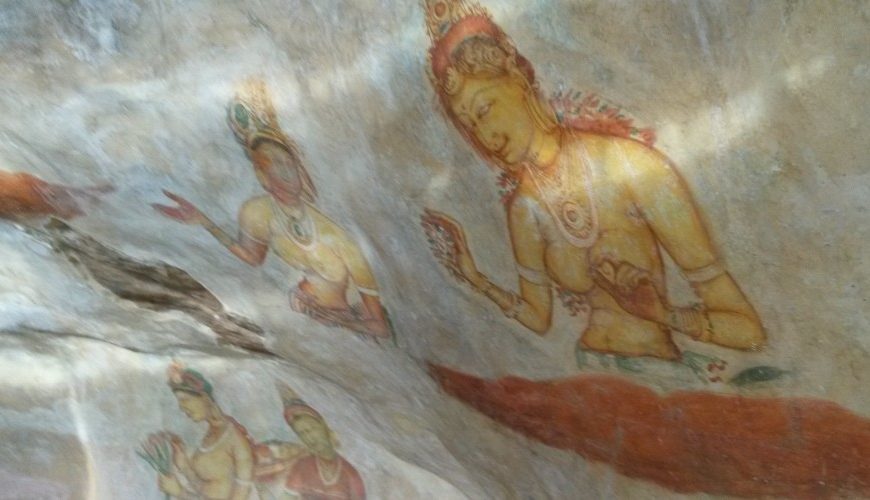
Why Have the Sigiriya Frescoes Survived for Centuries?

Sigiriya’s fifth-century paintings survived through skilled surface preparation, earth and mineral pigments, a likely binding medium, and protection within a sheltered rock recess. Their exact materials and technique remain debated, while weathering continues to threaten them. The figures’ identities are uncertain, and nearby Mirror Wall inscriptions reveal centuries of visitor responses and cultural significance.
Read More

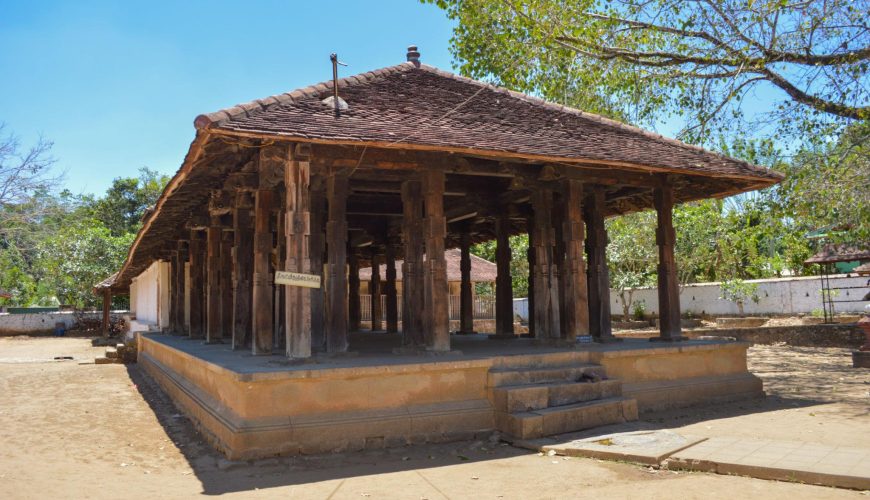
Embekke Devalaya: The 650-Year-Old Wonder of Sri Lanka’s Ancient Timber Engineering

Nestled in the picturesque countryside of Udunuwara, near Gampola in the Kandy District, Embekke Devalaya is one of Sri Lanka’s most remarkable examples of traditional wooden architecture. While the country is internationally renowned for its magnificent stone monuments, ancient stupas and rock fortresses, Embekke Devalaya reveals another extraordinary dimension of Sri Lanka’s architectural heritage: the […]

Read More

Visiting the Dambulla Cave Temples

Dambulla Rock Cave Temple is acclaimed as the biggest and best preserved complex of Buddha images and rock paintings in South East Asia. Due to the importance of its historical contribution, the significance of its archaeological findings and the sublimity of its art, the Dambulla Temple was declared as a UNESCO Heritage Site in 1991.

Read More

What to See at the Sigiriya Rock Fortress

You’ll need two to three hours to explore Sigiriya Rock Fortress. Visit in the early morning or late afternoon, when the crowds are less dense and the temperature is cooler.

Read More

Mulkirigala – Adam’s Peak of Down South

Mulgirigala Raja Maha Viharya, popular­ly known as Mulkirigala Rock Temple, is an ancient and an archaeological Buddhist temple in belongs to the magical era of third Century, contemporary with Sigiriya, Pidurangala and Buddhangala. It can be reached from Beliatta–Weeraketiya main road and turning off at Mulkirigala Junction. The temple is situat­ed 2 kms from the Mulkirigala […]

Read More