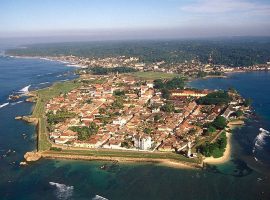
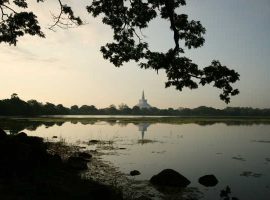
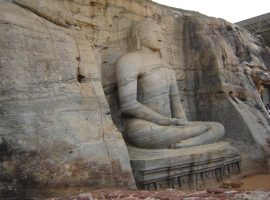
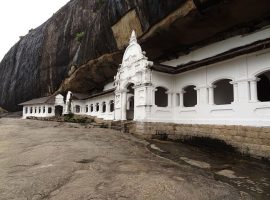
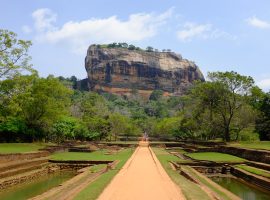
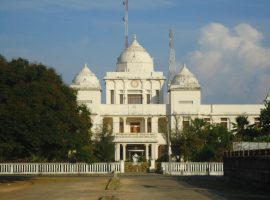
Sri Lanka boasts of 8 UNESCO World Heritage sites of which 6 are cultural sites providing a rich history dating back as far as to the 5th Century BC. These are the ancient kingdoms of Anuradhapura, Polonnaruwa and Sigiriya and the cave temples in Dambulla, the hill capital of Kandy and the Dutch Fortress of Galle. Each of these cities boasts of a unique story as related in recorded ancient chronicles, bearing witness to the great deeds of the Kings and Queens who built the proud heritage of this island nation. The 2 other Heritage sites – Sinharaja Rainforest and the Peak Wilderness collection, providing an insight to the rich bio-diversity of the island while also showcasing the scenic panorama from the high elevations. Most of these hilly regions have now been converted to velevety green carpeted hills claimed by tea that Sri Lanka mainly exports to the world.
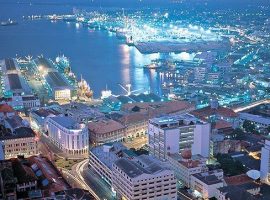
Metropolises such as Colombo and Jaffna have a lot to be explored and experienced with its own unique cultures, cusine and heritage. Ideally, a visitor should spende a couple of days in these large cities to get familarized with the many areas that provide wonderful opportunuties to experience the essense of these cities.
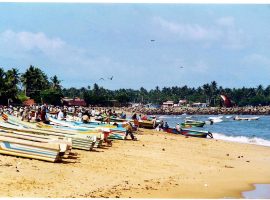
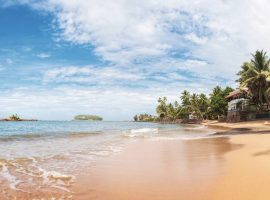
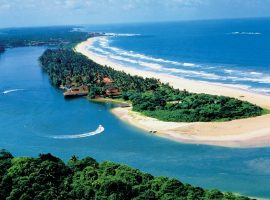
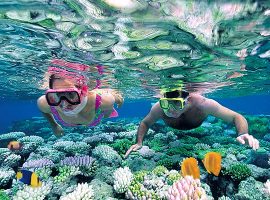
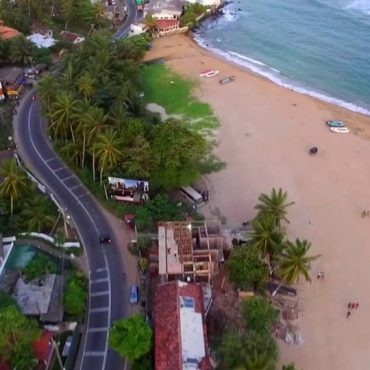
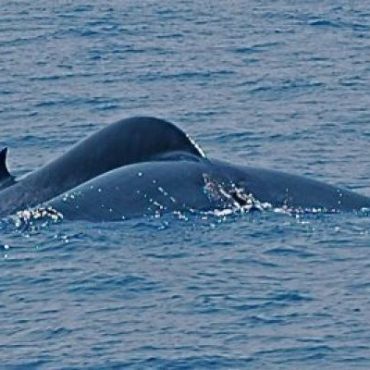
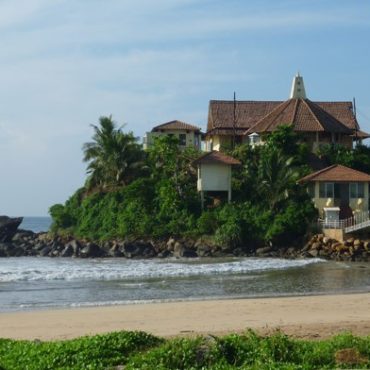
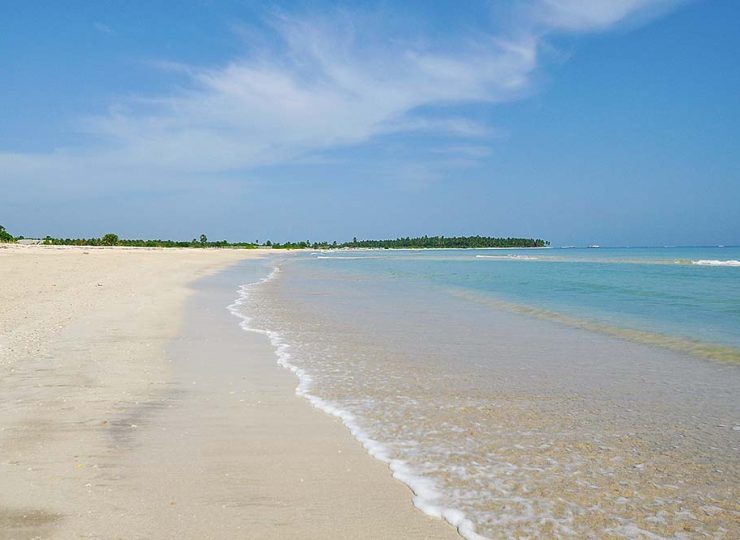
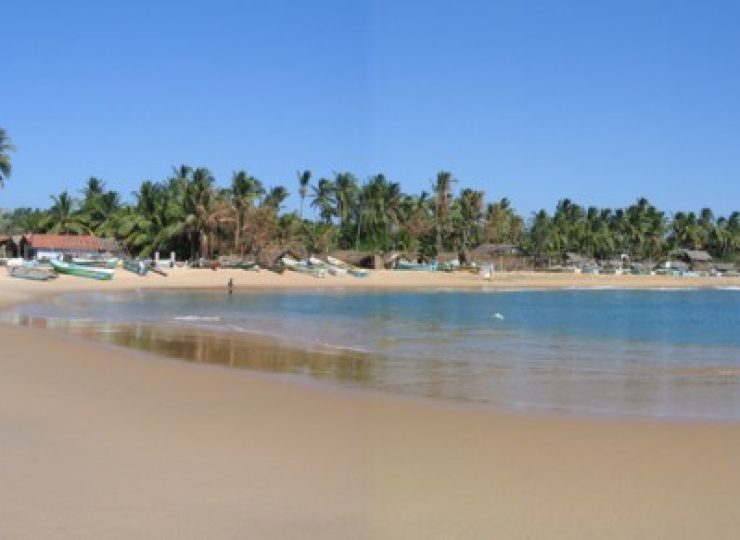
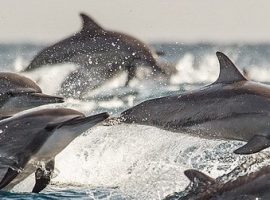
Then you may proceed along the coastal belt consisting of golden beaches providing perfect relaxation with sun, surf and sand. The coastline is dotted with many golden sandy beaches such as Bentota, Hikkaduwa, Unawatuna, Mirissa on the south western coast and Tangalle, Arugam Bay, Pasikudah and Nilaweli on the eastern coast providing the beach lover options for a beach holiday the whole year through. Apart from relaxing at the beach many coastal resorts provide adventurous activities such as surfing, kite-surfing, snorkeling, scuba diving and whale and dolphin watching excursions out in the open seas.
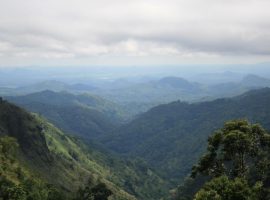
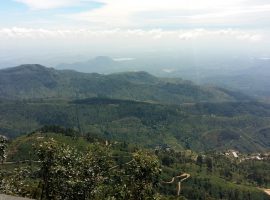
You may then travel on to the salubrious hill country through breathtaking scenery in 3 to 5 hours. Each turn unfolding a different visual tapestry ranging from winding roads, breathtaking scenery, cascading waterfalls and lush greenery consisting of the velvety carpeted hills of the tea plantations. The cool and pleasant climate of the hill country will make you want to stay longer in this part of the island while sipping a cuppa tea.
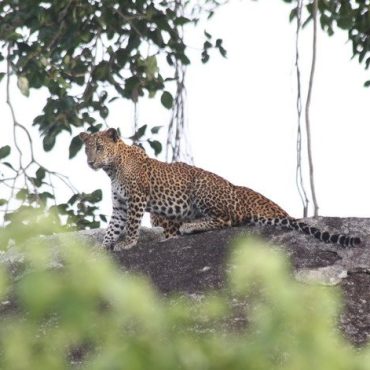
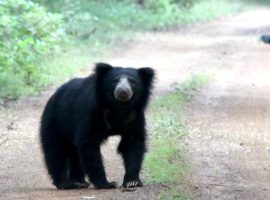
From the coastline, you could access a wide variety of wildlife parks, mostly concentrated in the eastern and southern parts of the island. There are currently 26 national parks in Sri Lanka which together cover an area of 5,734 SqKm. The most popular of theses being Yala, Udawalawe, Minneriya and Wilpattu. The main attractions of these parks are the elusive leopards and sloth bears but there are countless numbers of elephants, deer, buffaloes and wild boar that you could easily observe in most of these parks together with endless possibilities of spotting varieties of endemic and migratory species of birds at the water’s edge of numerous ponds and lakes which are part and parcel of these parks.
You could proceed on to Sri Lanka’s ancient cities with stupendous monuments, sculptures, carvings, huge man-made lakes and landscaped gardens that have taken pride of place among the treasures of the ancient world. Further travel will lead you to the east and the north of the island. These areas are relatively less explored because of the armed conflict which took place for over 3 decades. Now these areas are safe to travel and the beaches, national parks and other less explored areas could provide the visitor many pleasant surprises along the way.
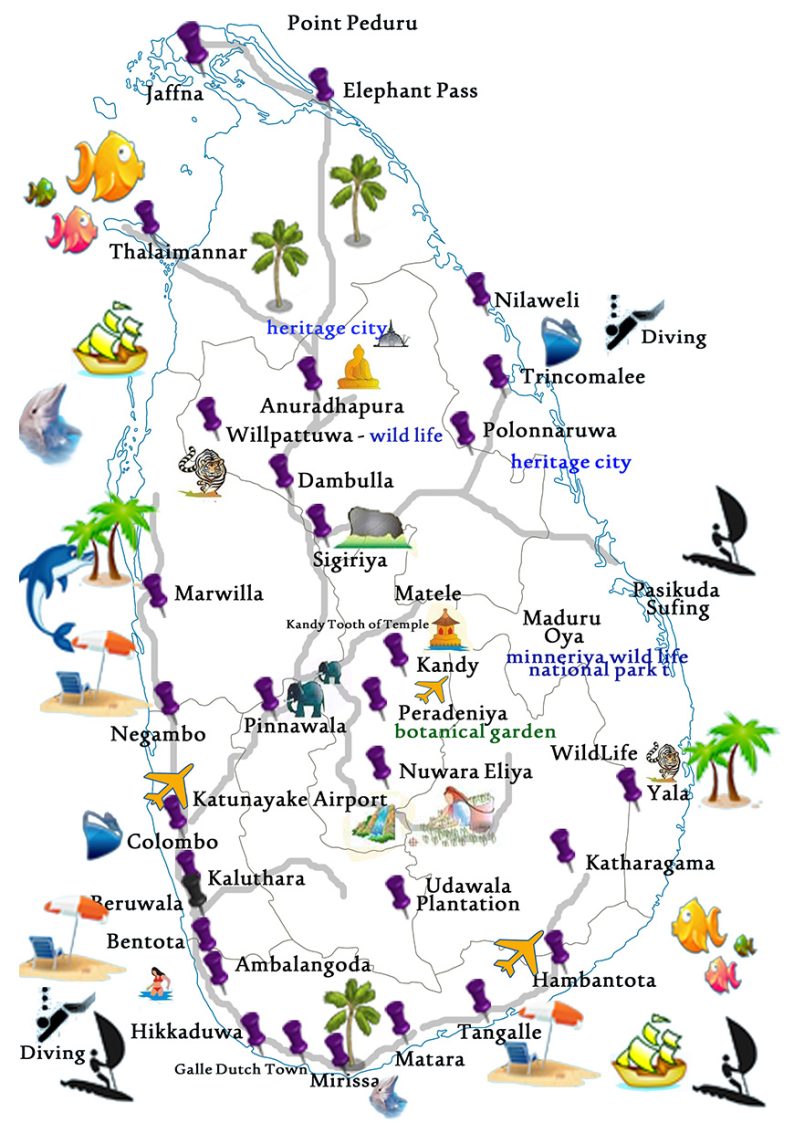
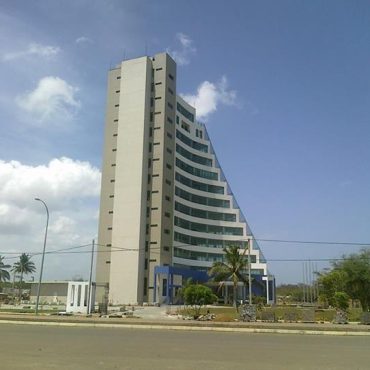
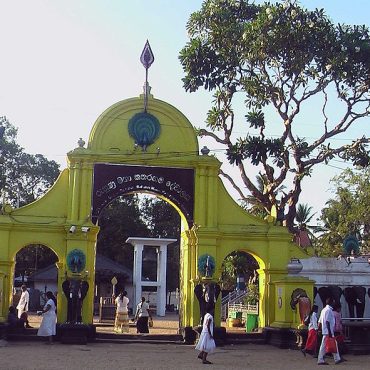
Beyond Galle, the south coast presents a more laid-back and budget oriented face. A string of outstanding beaches remain largely the preserve of independent travelers. The foremost of these is at the personable village of Unawatuna, currently the island’s most popular backpacker hangout, whilst further along the coast are a string of quieter beaches including Weligama, Mirissa (most popular whale-watching destination), as well as the lively provincial capital of Matara, boasting further Dutch remains. East of the southernmost point of the island lies the dynamic beach resort of Tangalla, followed by the newest metropolis in the south – Hambantota and the amenable town of Tissamaharama serves as a convenient base for the outstanding Yala and Bundala National Parks, and for the fascinating temple town of Kataragama, one of Sri Lanka’s most important pilgrimage destinations.
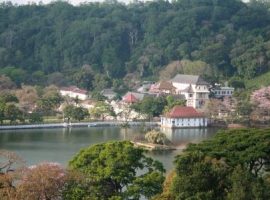
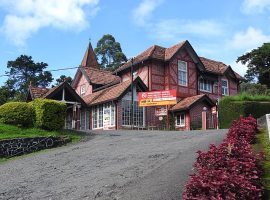
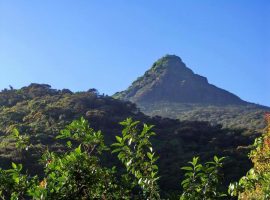
Inland from Colombo rise the verdant highlands of the hill country, swathed in the tea plantations (first introduced by the British) which still play a vital role in the island’s economy. The symbolic heart region is Kandy, Sri Lanka’s second most important city (after Colombo) and the cultural capital of the Sinhalese, its colourful traditions embodied by the famous Temple of the Tooth and the magnificent Esala Perehera, Sri Lanka’s most colourful festival pageant taking place in August each year. South of here, close to the highest point of the island, lies the old British town of Nuwara Eliya (Little Engalnd), centre of the country’s tea industry and a convenient base for visits to the spectacular Horton Plains National Park and the World’s End. A string of characterful towns and villages – Ella, Haputale and Bandarawela – along the southern edge of the hill country offer an appealing mixture of magnificent views, wonderful hill walking and olde-worlde British colonial charm with old plantation bungalows converted into chic boutique resorts. Close to the hill country’s southwestern edge the soaring summit of Adam’s Peak is another of the island’s major pilgrimage sites. While the gem mining center on Ratnapura to the south offers a convenient base for visits to the elephant rich Udawalawe National Park and the rare tropical rainforest of Sinharaja.
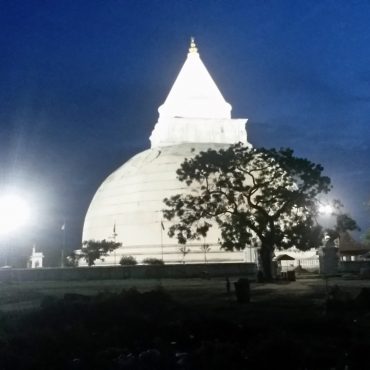
North of Kandy, the hill country continues to a totally into the contrasting highlands of the Knuckles Mountain Range, which is rich with flora and fauna, and thereafter the hills tumble down into the arid plains of the Northern dry zone. This area, known as the Cultural Triangle was the location of Sri Lanka’s first great civilizations , and its extra-ordinary scatter of ruined palaces, temples and dagobas still give a compelling sense of this glorious past. Foremost amongst these are the fascinating ruined cities of Anuradhapura and Polonnaruwa, the marvellous cave temples of Dambulla, the hilltop shrines and dagobas of Mihintale and the extraordinary rock citadel of Sigiriya (once a royal pleasure garden) – close to been tagged as the eighth wonder of the world.
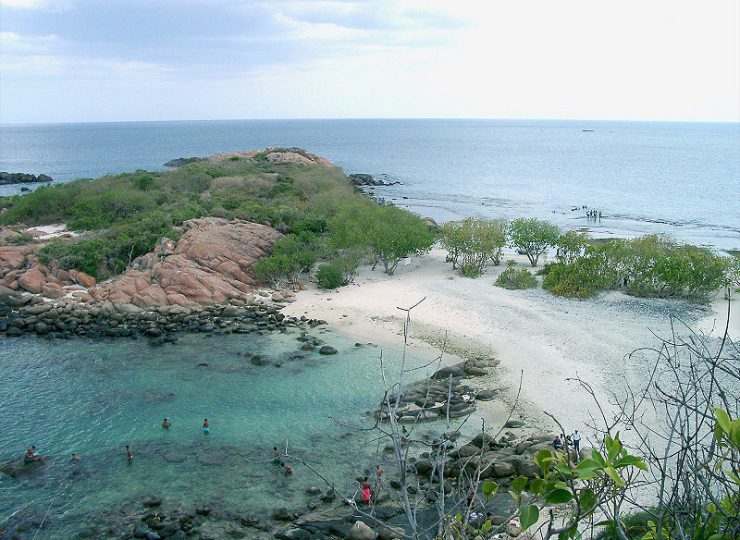
The regions east, west and north of the Cultural Triangle have only reopened recently to visitors after the armed conflict. Gateway to the east is the personable city of Trincomalee, virtually the only place of any size along the entire east coast. The huge swathe of pristine coastline itself remains almost completely undeveloped except for the resurging beach resorts of Nilaveli and Pasikudah, and the internationally popular surfing centre of Arugam Bay, at the southern edge of the region.
West of the Cultural Triangle lies the relatively undisturbed Wilpattu National Park, only recently reopened to visitors. West of the park lies the backward coastal town of Puttalam, which boasts of a vast lagoon rich in biodiversity. Beyond the lagoon on the peninsula lies the newly emerging tourist resort known as Kalpitiya, with its pristine beaches and tourism projects underway. The north, meanwhile, bore the brunt of Sri Lanka’s three decades of civil war and remains a destination for the adventurous only, although if you have the time it’s well worth making the long journey to the fascinating city of Jaffna, the war-torn capital of the North.