from 0 review
14 Days
Daily Tour
8 people
___
Travel across Sri Lanka on a 14-day wildlife and nature tour linking the lowland rainforest of Sinharaja, southern safari country, the highlands around Ella and Horton Plains, eastern reservoirs and the dry-zone parks of Minneriya and Wilpattu. The route combines jeep safaris, a rainforest walk, a highland trek and seasonal whale or dolphin watching.
13 nights / 14 days · Half board (breakfast and dinner) · Private air-conditioned transport · English-speaking chauffeur-guide
| Day | Route | Places Visited | Over Night |
| 1 | Airport – Colombo | City tour of Colombo | Colombo |
| 2 | Colombo – Ahangama | Whale Watching (morning seasonal) | Ahangama |
| 3 | Ahangama – Udawalawe | Sinharaja Rainforest Trek (afternoon) | Udawalawe |
| 4 | Udawalawe – Hambantota | Udawalawe Safari, Bundala Bird Safari | Hambantota |
| 5 | Hambantota | Yala full day Game Drive, | Hambantota |
| 6 | Hambantota – Ella | Trek to Little Adam’s Peak | Ella |
| 7 | Ella | Trek at Horton Plains / visit World’s End | Ella |
| 8 | Ella – Gal Oya | Gal Oya Safari (afternoon) | Gal Oya |
| 9 | Gal Oya – Wasgamuwa | Maduru Oya Safari (afternoon) | Wasgamuwa |
| 10 | Wasgamuwa – Giritale | Wasgamuwa National Park (morning) | Giritale |
| 11 | Giritale – Anuradhapura | Minneriya National Park (morning) | Anuradhapura |
| 12 | Anuradhapura – Kalpitiya | Wilpattu National Park (full day) | Kalpitiya |
| 13 | Kalpitiya – Negombo | Dolphin Watching (morning seasonal) | Negombo |
| 14 | Negombo – Airport / Beach | Transfer to airport or beach stay |
For DWC-managed national reserves, Sri Lanka’s published daytime visitor period is generally 6:00 a.m.–6:00 p.m.; a permit is required and visitors must follow the conditions attached to it. Park gates, safari blocks and temporary closures can change. Check the Department of Wildlife Conservation visitor permit service and the relevant park office shortly before travel. The DWC permit conditions set entry and departure limits. Yala’s official visitor information lists 6:00 a.m.–6:00 p.m. hours and June–September as a strong visiting window.
| Park or site | What to know | Timing and access |
|---|---|---|
| Yala | Dry-season viewing can improve around water sources; wildlife remains unpredictable. | Official visitor information lists 6:00 a.m.–6:00 p.m.; June–September is a strong window. Entry blocks or temporary access can change. |
| Udawalawe | Known for open grassland and elephant viewing. Morning is planned for cooler conditions and active wildlife. | Typical DWC daytime window is 6:00 a.m.–6:00 p.m.; current permit and gate instructions apply. |
| Bundala | Wetland birding; winter migrants make this stop especially attractive to birders. | October–March is a useful migrant-bird window; DWC daytime hours and temporary notices apply. |
| Minneriya | The elephant “Gathering” is seasonal and can shift among nearby parks as water conditions change. | The source itinerary identifies May–October; check local conditions and the operator’s park choice. |
| Wilpattu | Forest and villu habitats; sightings can require patience and depend on rainfall and wildlife movement. | DWC guidance allows wildlife viewing 6:00 a.m.–6:00 p.m.; permits and gate access are required. |
| Gal Oya | Boat safari availability depends on the local operator, weather and reservoir conditions. | Confirm boat departure and duration directly before travel; DWC park rules apply. |
| Maduru Oya and Wasgamuwa | Dry-zone forest and grassland safaris; animal sightings vary by season and water. | Use the DWC permit service for current entry status, access points and hours. |
| Horton Plains | Start early for the World’s End walk and better chance of clear views; carry rain protection. | Follow DWC entry times and trail instructions; weather can affect visibility and access. |
| Sinharaja Forest Reserve | This is a wet-zone rainforest managed separately from DWC national parks; use a local guide and expect rain and muddy trails. | Entry permits, gate hours and closures are set by the Forest Department. UNESCO notes stronger rainfall periods around May–July and November–January; check the chosen entrance before departure. |
Park authorities may temporarily close a gate, block or trail for conservation, weather or safety. Confirm the operating gate and last entry time before leaving your hotel. Animal sightings are never guaranteed.
Go



Distance: ~35 km from Airport | Time: ~1 hour
Welcome to Sri Lanka! Upon your arrival at Bandaranaike International Airport, you'll be transferred to Colombo, the bustling commercial capital. A city tour reveals a vibrant mix of colonial architecture, modern skyscrapers, and green spaces like Viharamahadevi Park. While not a wilderness haven, Colombo still surprises nature lovers with its urban wetlands—look out for birds like purple herons, white-breasted waterhens, and monitor lizards around Diyatha Uyana and Beddagana Wetland Park.
Overnight: Colombo
Distance: ~150 km | Time: ~3.5 hours
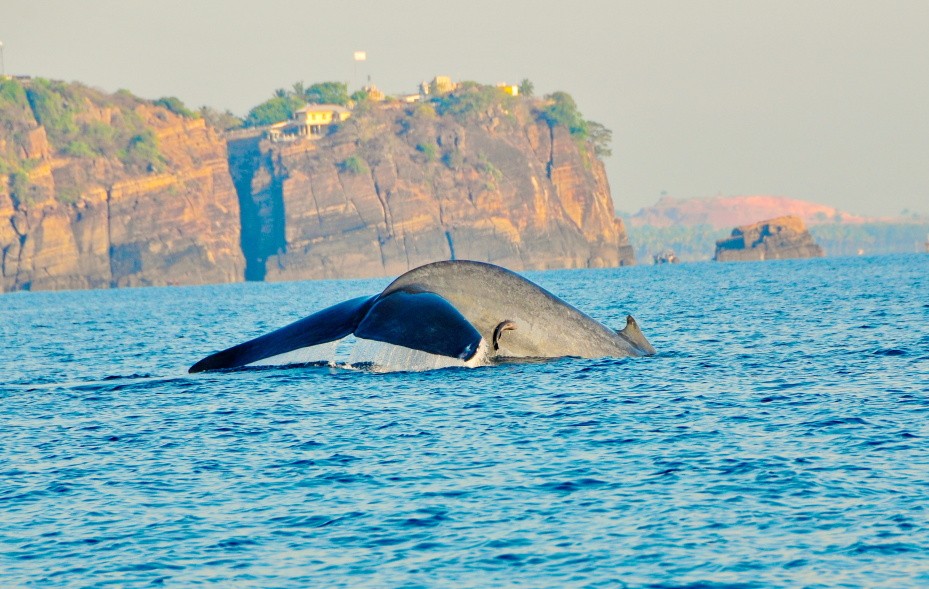
Early morning, journey down the palm-lined southern coast to Ahangama, stopping at Mirissa for a magical experience—whale watching in the deep blue Indian Ocean (seasonal: November–April). This is one of the world’s best spots to see blue whales, the largest animals on Earth, and spinner dolphins, often seen leaping playfully beside the boat.
Overnight: Ahangama
Distance: ~160 km | Time: ~4.5 hours
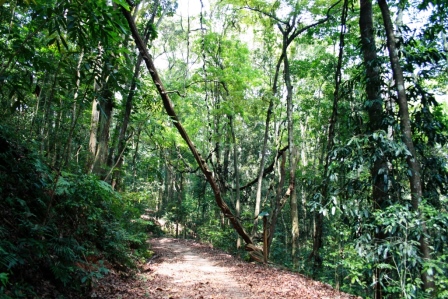
Travel inland to explore the UNESCO World Heritage-listed Sinharaja Rainforest, Sri Lanka's last viable area of primary tropical rainforest. This rich biodiversity hotspot teems with endemics, such as the Sri Lanka blue magpie, green-billed coucal, and purple-faced langur. The lush forest is draped in ferns, epiphytes, and towering dipterocarps, offering a complete immersion into a prehistoric ecosystem.
In the evening, head toward the dry zone landscapes of Udawalawe.
Overnight: Udawalawe
Distance: ~80 km | Time: ~2 hours
Begin the day with a morning safari in Udawalawe National Park, famous for its large herds of Asian elephants freely roaming the open grasslands. Other sightings may include jackals, sambar deer, crocodiles, and a wealth of birdlife, including the majestic changeable hawk-eagle and peafowl.
In the afternoon, head to Bundala National Park, a designated Ramsar wetland and birding paradise. Here, look for greater flamingos, painted storks, spot-billed pelicans, and migratory waders among saltpans and lagoons.
Overnight: Hambantota
Distance: ~35 km | Time: ~1 hour (to park entrance)
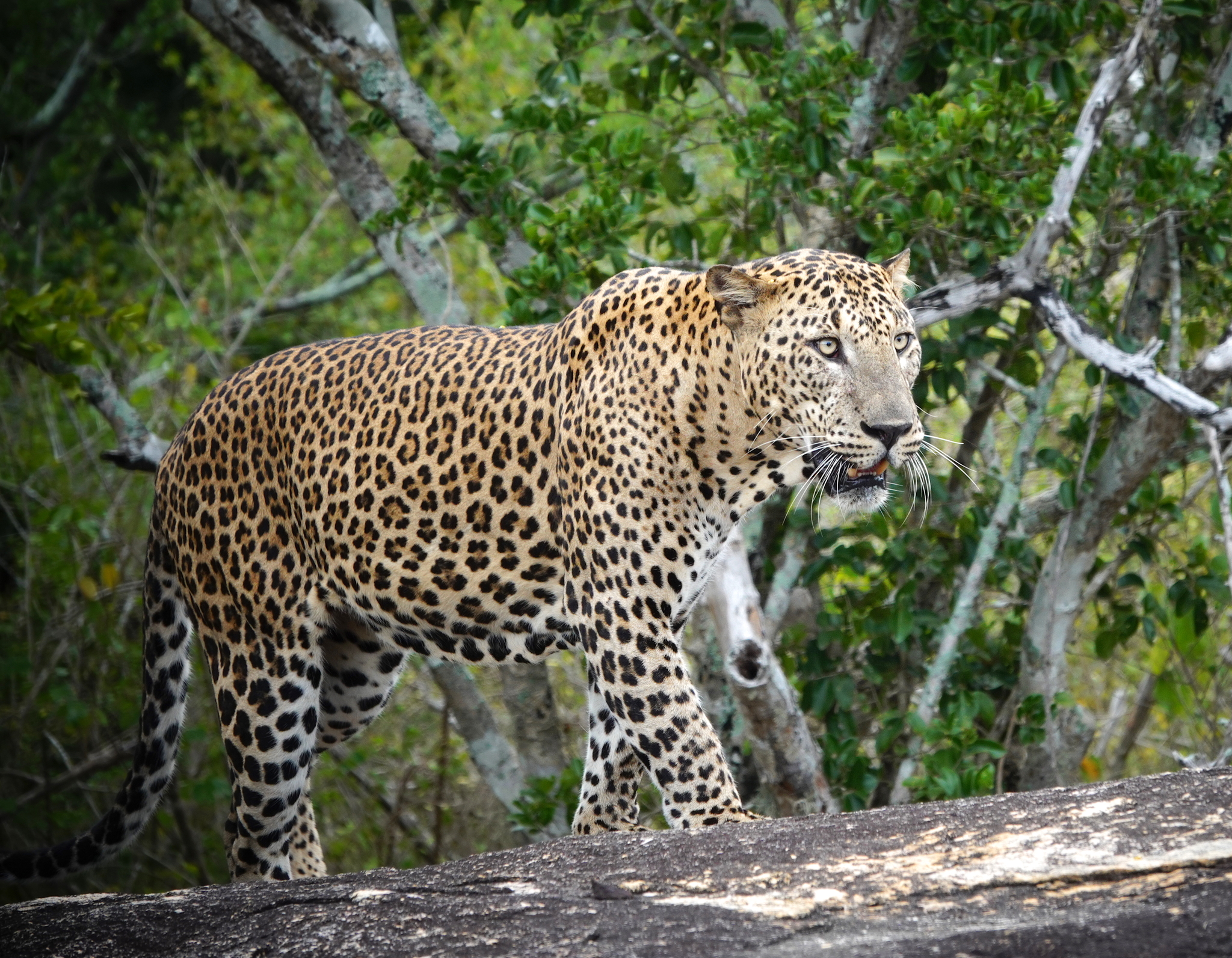
Today is all about Yala, Sri Lanka's flagship national park, known for its high density of leopards, especially in Block 1. Embark on a full-day game drive through varied habitats—from dense scrub forests and rocky outcrops to brackish lagoons and grasslands.
Besides leopards, Yala is home to sloth bears, elephants, mugger crocodiles, spotted deer, and an impressive variety of birds, including the Malabar pied hornbill and black-necked stork.
Overnight: Hambantota
Distance: ~110 km | Time: ~3 hours
Ascend into Sri Lanka’s central highlands and reach the cool, misty town of Ella. In the afternoon, trek to Little Adam’s Peak, a relatively easy climb offering panoramic views over tea plantations, valleys, and forested hills. Keep an eye out for layard’s parakeets and giant squirrels darting through the foliage.
Overnight: Ella
Distance: ~30 km to park entrance | Time: ~2 hours (winding roads)
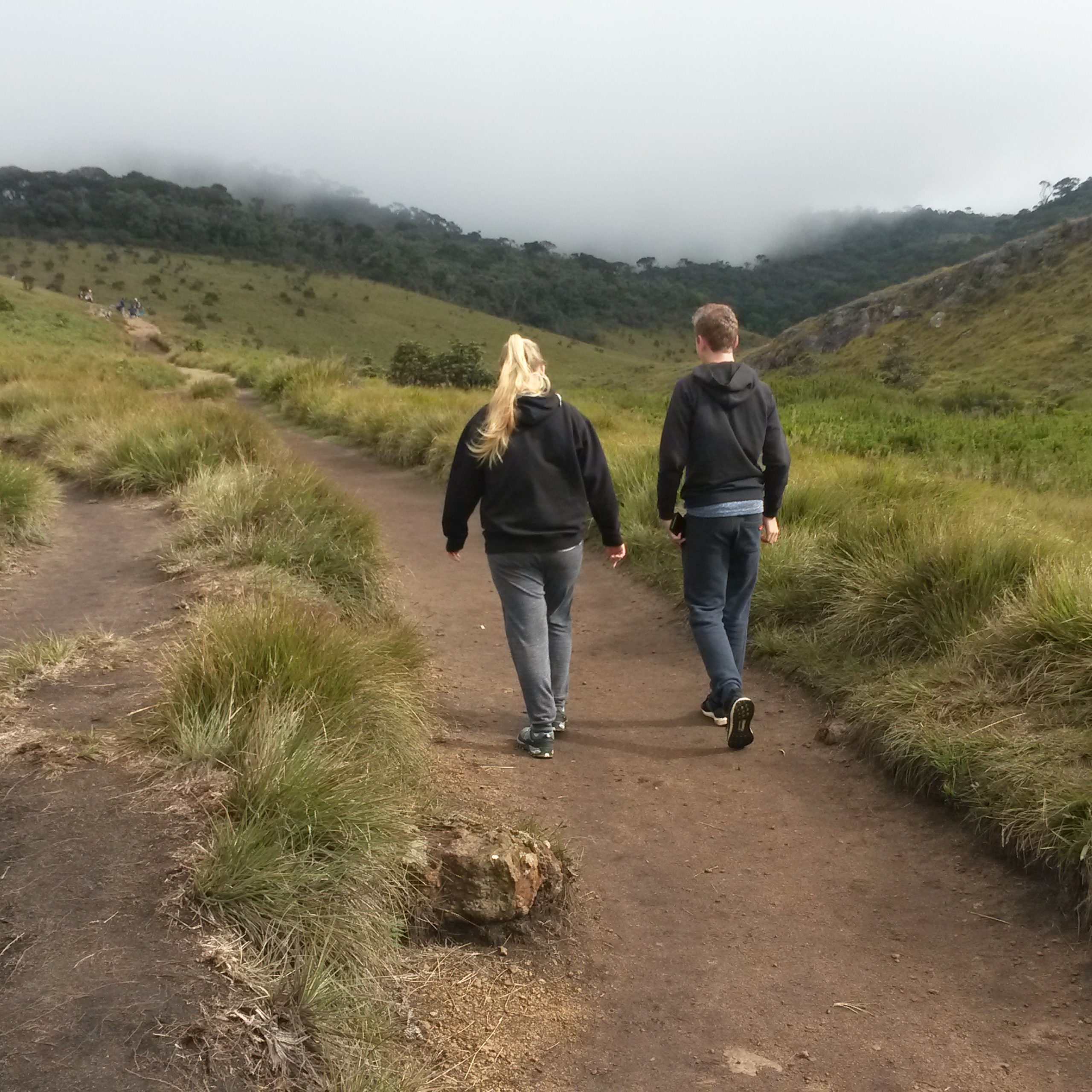
A very early start takes you to Horton Plains National Park, a montane cloud forest plateau known for its unique pygmy forest, moss-covered trees, and alpine meadows. The 9.5 km trek leads to World’s End, a sheer cliff with a dramatic 870-meter drop.
You might encounter sambar deer, stripe-necked mongooses, and endemic birds like the Sri Lanka whistling thrush and dull-blue flycatcher. The rare flora includes rhododendrons, tree ferns, and lichen-covered montane trees.
Overnight: Ella
Distance: ~150 km | Time: ~4.5 hours
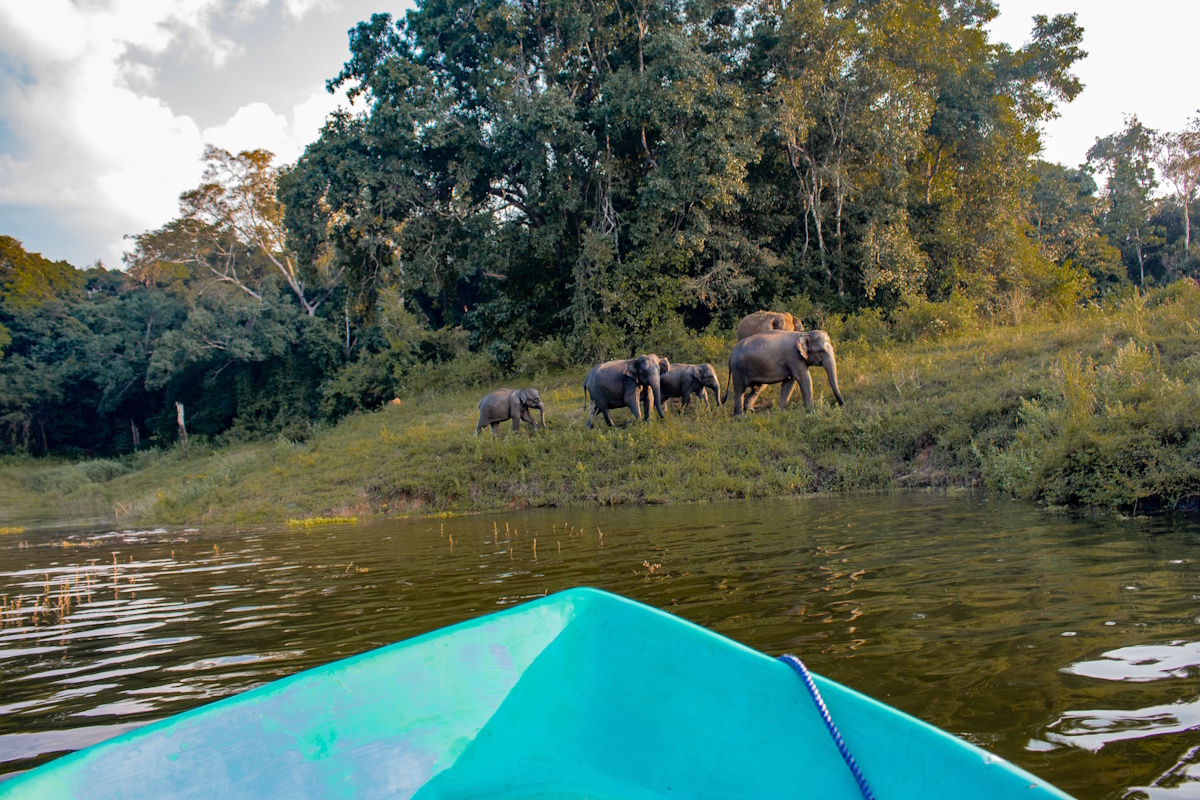
Head northeast toward Gal Oya National Park, a rarely visited gem centered around the scenic Senanayake Samudraya reservoir. In the afternoon, take a unique boat safari, the only one of its kind in Sri Lanka. Watch elephants swim between islets, and spot aquatic birds like grey-headed fish eagles, Indian cormorants, and darters. Gal Oya also hosts the Vedda indigenous community, known for their deep knowledge of the forest.
Overnight: Gal Oya
Distance: ~120 km | Time: ~3.5 hours
Journey through the Eastern Province to reach Maduru Oya National Park. This lesser-explored sanctuary shelters a mix of dry evergreen forest and grassland. On your afternoon safari, expect to see elephants, water buffalo, and axis deer, with possible glimpses of elusive sloth bears or leopards.
Continue to Wasgamuwa, another biodiversity hotspot nestled between rivers and forested hills.
Overnight: Wasgamuwa
Distance: ~40 km | Time: ~1.5 hours
Start the day with a morning safari in Wasgamuwa, renowned for its ecological richness and elephant populations. Birders will love the sightings of red-faced malkohas, black-headed ibis, and blue-faced malkohas. The park also supports purple-faced langurs and even fishing cats in its wetlands.
After the safari, proceed to the serene forested area of Giritale.
Overnight: Giritale
Distance: ~120 km | Time: ~3 hours
Enjoy a morning game drive in Minneriya National Park, best known for the “Gathering” of elephants (May–October), where up to 300 elephants congregate around the reservoir. Throughout the year, the park offers chances to see toque macaques, grey langurs, and numerous birds like openbill storks and Indian rollers.
Then head north to the sacred city of Anuradhapura, blending cultural heritage with natural beauty.
Overnight: Anuradhapura
Distance: ~170 km | Time: ~4 hours
Travel to Wilpattu National Park, Sri Lanka’s largest and one of the oldest, known for its unique "villus" (natural lakes). A full-day safari reveals an untouched wilderness where you might see leopards, sloth bears, muntjac, and a wide variety of raptors. The blend of forest and wetland ecosystems make it a birder’s paradise too.
After the safari, continue to the seaside village of Kalpitiya.
Overnight: Kalpitiya
Distance: ~170 km | Time: ~3.5 hours
Rise early for a dolphin watching excursion in Kalpitiya’s coastal waters. The calm seas here attract large pods of spinner, bottlenose, and Risso’s dolphins, with occasional sightings of sperm whales (seasonal: November–April).
Later, drive south along the coast to Negombo, a historic fishing town close to the airport.
Overnight: Negombo
Distance: ~10 km | Time: ~30 mins
Enjoy a relaxing morning by the beach or take a stroll through Negombo’s Dutch canals and fish markets before your transfer to the airport. Alternatively, extend your stay along Sri Lanka’s golden coastline to unwind after your nature-filled adventure.
End of Tour / Beach Extension
There is no single best month for every stop. The source itinerary lists whale and dolphin watching from November to April, the Minneriya elephant gathering from May to October, and Yala’s official visitor information highlights June to September. Bundala is particularly interesting for migratory birds from about October to March. Choose dates around the wildlife experience that matters most and confirm seasonal operations before booking.
The published daytime period for DWC national reserves is generally 6:00 a.m. to 6:00 p.m. Visitors need permits and must leave within the permit period. Forest Department sites such as Sinharaja have separate gate rules, so verify them with the reserve entrance.
Yes. Authorities can change access or temporarily close a park, gate, block or trail. Check current notices and permit availability with DWC and the local operator shortly before each visit.
Short morning or afternoon jeep sessions are planned at about 3–4 hours. The itinerary’s Yala and Wilpattu full-day drives are estimated at about 8–10 hours including breaks. These are planning estimates, not guaranteed durations; the confirmed schedule depends on permits and operator arrangements.
No. These are wild habitats, and wildlife moves freely. Your guide can adapt the drive to conditions, but no species or sighting can be promised.
The stated plan includes breakfast and dinner. Ask for the final quotation to confirm lunch and any safari-day meals.
Bring comfortable walking shoes, a light rain layer, sun protection, water and binoculars if you use them. For rainforest and highland walks, follow your guide’s advice on trail conditions.



Leave a review