from 0,00$/day
Book Now

Delft Island

Discover a windswept island of wild horses, ancient coral walls, colonial ruins, and unique natural beauty.

Delft Island, locally known as Neduntheevu, is one of Sri Lanka’s most unique island destinations. Located off the coast of Jaffna, the island is famous for its wild ponies, historic Dutch and Portuguese ruins, giant baobab tree, coral stone architecture, and untouched coastal landscapes that create an atmosphere unlike anywhere else in the country.

Situated approximately 35 kilometres west of Jaffna, Delft Island is the largest inhabited island in Sri Lanka’s northern archipelago. Covering nearly 50 square kilometres, the island offers visitors a fascinating blend of history, culture, and natural beauty rarely found elsewhere on the island.

Known locally as Neduntheevu, meaning “long island,” Delft Island possesses a distinctly different landscape from mainland Sri Lanka. The terrain is largely flat and arid, dotted with palmyrah palms, thorny shrubs, coral stone structures, and open grasslands shaped by centuries of strong sea winds and coastal conditions.

One of the island’s most famous attractions is its population of wild horses, believed to be descendants of animals introduced by Portuguese settlers during the colonial period. These free-roaming ponies have adapted to the island’s environment and can often be seen grazing across open fields and coastal plains, creating one of Sri Lanka’s most unusual wildlife experiences.

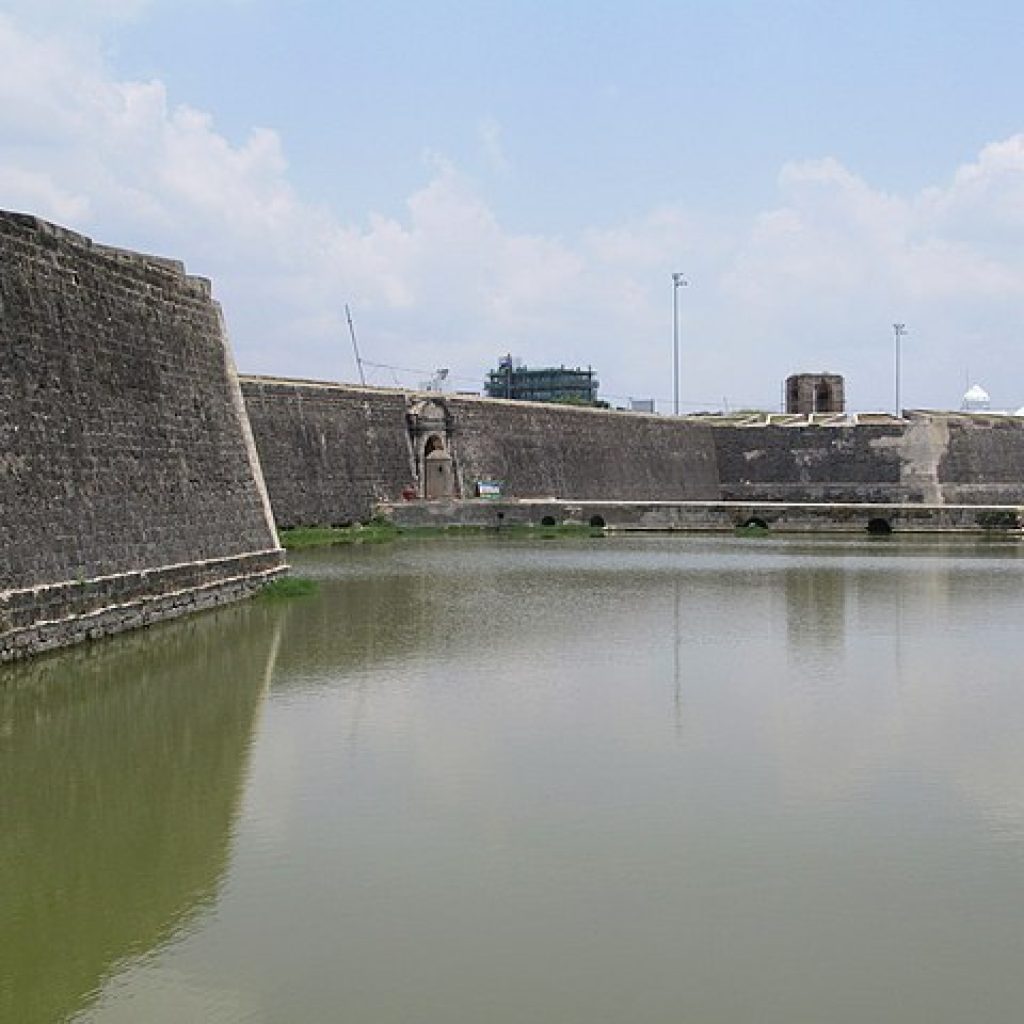
Delft Island also preserves numerous reminders of its colonial past. Visitors can explore the ruins of a small Dutch fort, an old pigeon house, colonial-era buildings, and ancient coral walls constructed from compressed coral limestone. These structures showcase the strategic importance the island once held during Portuguese and Dutch rule.

Another remarkable landmark is the famous baobab tree, believed to have been brought to the island centuries ago by Arab traders. With its enormous trunk and distinctive appearance, the tree stands as one of the oldest and most unusual botanical attractions in Sri Lanka.

The island’s remote location and relatively low level of development have helped preserve its authentic character. Quiet villages, traditional fishing communities, grazing livestock, and peaceful beaches offer travellers an opportunity to experience a slower pace of life far removed from the busy tourist centres of southern Sri Lanka.

The surrounding coastline features rugged coral formations, sandy beaches, turquoise waters, and spectacular ocean views. Birdwatchers, photographers, and nature enthusiasts are particularly drawn to Delft Island for its unique landscapes and peaceful atmosphere.

Accessible by passenger ferry from Kurikadduwan Jetty near Jaffna, Delft Island makes an excellent full-day excursion for travellers seeking history, adventure, photography, and cultural discovery in one of Sri Lanka’s most distinctive destinations.

Opening Hours

Island accessible throughout the day

Ferry schedules may vary depending on weather and operational conditions.

Entry Fee

Island access is free

Some local attractions or transportation services may charge separate fees.

Best Time to Visit

Year Round

The best conditions are generally from May to September, when rainfall is lower and sea conditions are often calmer.

Time Required

Full Day Excursion (6–8 Hours)


Attraction Type

  • Island Destination
  • Historical Site
  • Nature Attraction
  • Wildlife Experience
  • Photography Location

Highlights

  • Famous population of free-roaming wild horses.
  • Historic Dutch and Portuguese colonial ruins.
  • Ancient coral stone walls unique to the island.
  • Giant centuries-old baobab tree.
  • Traditional fishing villages and local culture.
  • Spectacular coastal scenery and secluded beaches.
  • Excellent opportunities for photography and birdwatching.
  • Authentic off-the-beaten-path travel experience.

Top Attractions on Delft Island

Wild Horses of Delft Island

The island’s most famous residents roam freely across open grasslands and coastal plains, offering unique wildlife photography opportunities.

Baobab Tree

One of the oldest and largest baobab trees in Sri Lanka, believed to have been introduced by Arab traders centuries ago.

Dutch Fort Ruins

Remains of a small colonial fort that once protected maritime activities in the region.

Ancient Coral Walls

Extensive walls constructed from coral limestone demonstrate the ingenuity of earlier settlers and remain one of Delft’s most distinctive features.

Dutch Pigeon House

A unique colonial-era structure once used for breeding pigeons during Dutch rule.

Delft Beach and Coastal Landscapes

Quiet beaches, rocky shores, and scenic coastal viewpoints offer stunning views across the Palk Strait.

Queen’s Tower

A historic stone structure believed to have been used as a navigation marker for ships approaching the island.


Visitor Experience

A typical visit to Delft Island begins with a scenic ferry journey across the waters of the Palk Strait. Upon arrival, visitors often hire bicycles, tuk-tuks, or local guides to explore the island’s dispersed attractions. The journey takes travellers through small villages, grazing lands, historic ruins, and dramatic coastal scenery while providing opportunities to observe local life and encounter the island’s famous wild horses.

The island’s peaceful atmosphere and relatively untouched landscapes create an authentic experience that contrasts sharply with Sri Lanka’s more developed tourist destinations.


Travel Tips

  • Start early to maximise your time on the island.
  • Confirm ferry schedules before travelling.
  • Carry drinking water and sun protection, as shade is limited.
  • Wear comfortable footwear for exploring uneven terrain.
  • Consider hiring a bicycle or tuk-tuk to visit multiple attractions efficiently.
  • Bring cash, as card facilities may be limited.
  • Respect local communities and protected heritage sites.
  • Carry a camera for wildlife and landscape photography.

Similar Attractions

Highlight Text

“Home to Sri Lanka’s famous wild horses and one of the country’s most unique island landscapes.”

Related Destination

Jaffna