Things to do around Castlereagh Reservoir
- Enjoy scenic drives: Explore the roads around Dickoya and the reservoir with a local driver, stopping only at safe and permitted viewpoints.
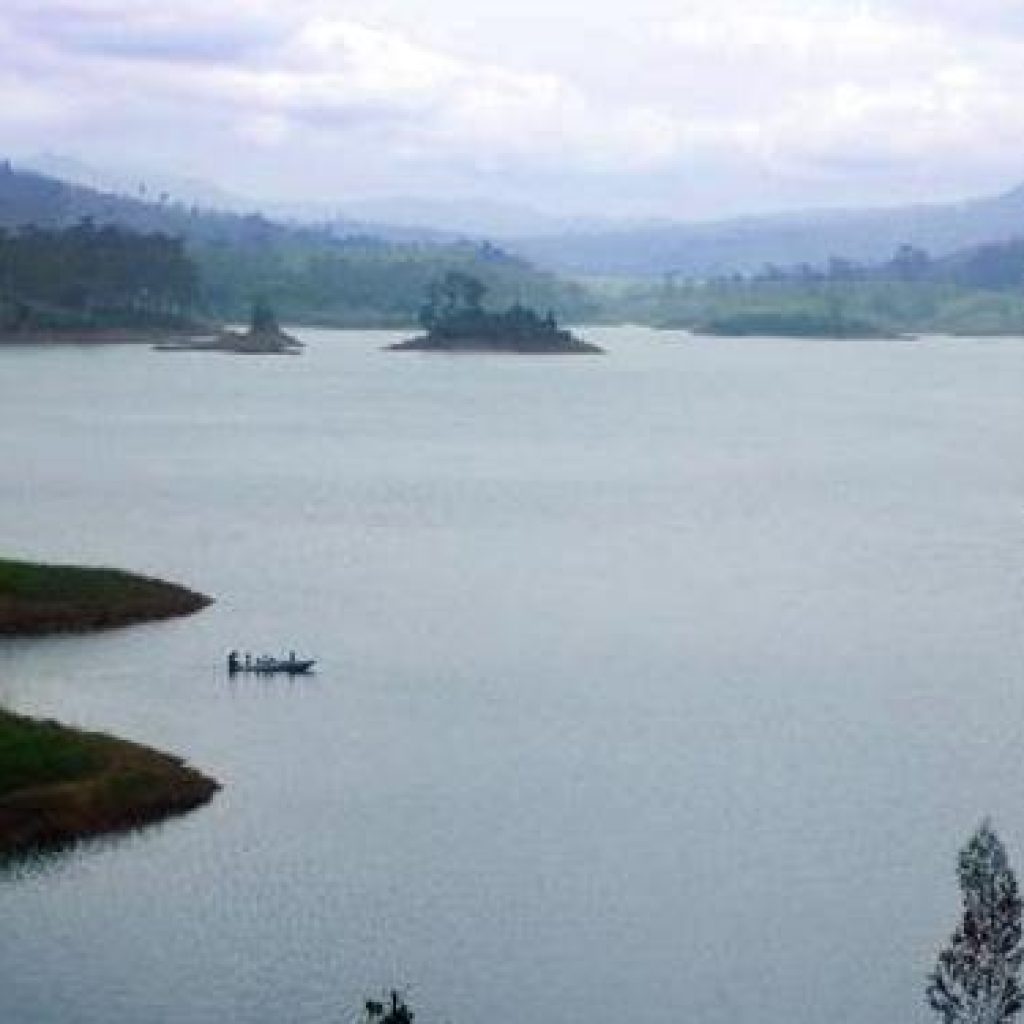
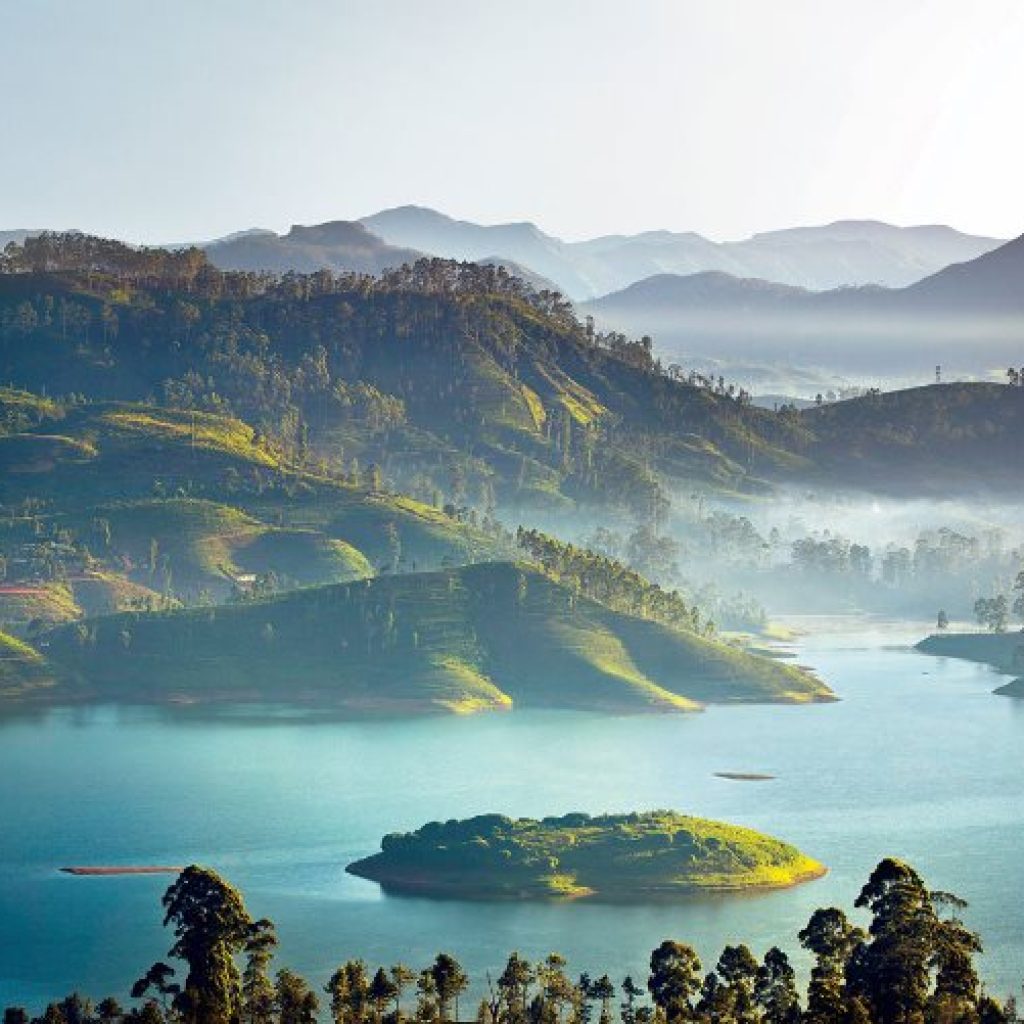
- Photography: Capture the reflections, tea-covered hills, forested ridges and changing mountain light. Early morning often brings atmospheric mist; late afternoon can provide softer light.
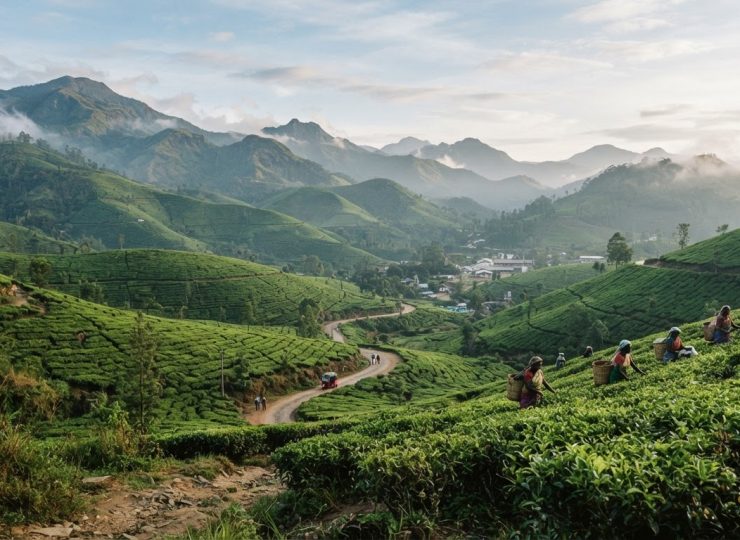
- Discover tea country: Combine the reservoir visit with a drive through nearby tea estates and plantation settlements. Ask locally before entering estate roads or private land.
- Organised canoe experiences: Some nearby accommodation providers may arrange canoe outings with local hosts. These are private, provider-organised experiences, not a public boat-hire service available everywhere. Confirm availability, safety arrangements and charges directly before planning.
- Relax in the highlands: The surrounding area has plantation bungalows and small accommodation properties, making it possible to stay overnight and enjoy the quiet landscape at a slower pace.
Water safety and responsible visiting
Castlereagh Reservoir is a working hydroelectric water body. Do not assume that the shoreline is safe or publicly accessible. Avoid swimming, entering the water, climbing on dam structures or walking along unmarked banks. Water depth and underwater conditions can be unpredictable, and operational areas may be restricted.
If you book a canoe or other water-based experience through an accommodation provider, use only an organised service, follow the host’s instructions and wear the safety equipment provided. Do not launch a private craft or enter the reservoir independently.
Take care on narrow, winding roads and do not stop where your vehicle obstructs traffic. Keep the area clean, avoid disturbing residents and wildlife, and leave gates and estate property as you find them.
Best time to visit
Castlereagh can be visited throughout the year, but weather and visibility vary across the hill country. Early morning is particularly rewarding for mist, calm water and soft light. Late afternoon is another attractive time for landscape photography. The drier months are often more convenient for road exploration, while cloudy or rainy days can bring atmospheric mist but may reduce distant views and make roadside surfaces slippery.
There is no fixed visitor opening schedule for the reservoir itself. Conditions and access depend on the roads and locations you plan to visit. Check locally before setting out, particularly if you hope to arrange a boat experience or visit a property beside the water.
Getting to Castlereagh Reservoir
Castlereagh Reservoir is located a few kilometres south-west of Hatton. From Hatton, travel towards Dickoya and the surrounding tea-estate roads. A tuk-tuk or private vehicle is the most practical way to explore the viewpoints, as public transport does not provide convenient access to all the scenic locations around the reservoir.
Hatton is served by Sri Lanka’s hill-country railway. Visitors arriving by train can arrange a local tuk-tuk or private driver for the onward journey. Roads are narrow and winding in places, so allow time for a relaxed drive and avoid rushing between stops.
Nearby places to explore
Castlereagh makes a natural addition to a Hatton and Dickoya sightseeing day. Nearby highlights include Christ Church Warleigh, the tea-estate landscapes around Dickoya, Hatton town and the Nallathanniya approach to Adam’s Peak (Sri Pada). For the pilgrimage climb, plan a separate night-time visit and check the seasonal trail conditions.
Plan your visit
- Location: Near Hatton and Dickoya, Nuwara Eliya District, Central Province, Sri Lanka.
- Type: Scenic reservoir and hydroelectric water body.
- Distance from Hatton: Approximately 3–4 km to the reservoir area; exact distance depends on the viewpoint.
- Time to allow: Around 2–3 hours for a relaxed scenic drive and photo stops; allow longer if combining with other Hatton attractions.
- Best time of day: Early morning for mist and softer light, or late afternoon for landscape photography.
- Best season: Drier periods are generally more convenient for road access and visibility; hill-country weather is changeable throughout the year.
- Entry fee and opening hours: No general ticket office or published visitor hours are confirmed for the reservoir itself. Private activities and accommodation experiences may charge separately.
- Facilities: No formal public visitor centre or continuous lakeside facilities. Plan refreshments and facilities in Hatton or through your accommodation.
- Access: Tuk-tuk or private vehicle from Hatton is recommended.
Frequently asked questions
Where is Castlereagh Reservoir?
Castlereagh Reservoir is in Sri Lanka’s central highlands, a few kilometres south-west of Hatton, around the Dickoya tea-country area.
What is Castlereagh Reservoir used for?
It is part of the Laxapana hydroelectric system. Water from the reservoir is conveyed to the Wimalasurendra Power Station to generate electricity.
Can visitors go boating on Castlereagh Reservoir?
Some accommodation providers may arrange organised canoe experiences with local hosts. Availability is not universal, so confirm directly with the provider. Do not assume public boat hire is available.
Can you swim in Castlereagh Reservoir?
It should not be treated as a public swimming lake. It is an operational reservoir, and water depth, access restrictions and underwater hazards make independent swimming unsafe.
How long should I spend at Castlereagh Reservoir?
Allow around two to three hours for a scenic drive and photography stops. You can spend longer if you are staying nearby or have arranged an organised activity.
Can I visit Castlereagh Reservoir from Hatton by tuk-tuk?
Yes. A tuk-tuk or private vehicle is a practical way to reach the area and explore the surrounding viewpoints. Agree on the route, waiting time and return fare with your driver in advance.
Explore the Hatton Destination