Best time to visit and start climbing
Main pilgrimage season: December to May, traditionally opening around the Unduvap full-moon Poya and ending around Vesak. During this period the main Nallathanniya trail is normally lit and facilities along the route are more likely to be operating. January to March is often favoured for clearer dawn conditions, although weather in the mountains can change quickly.
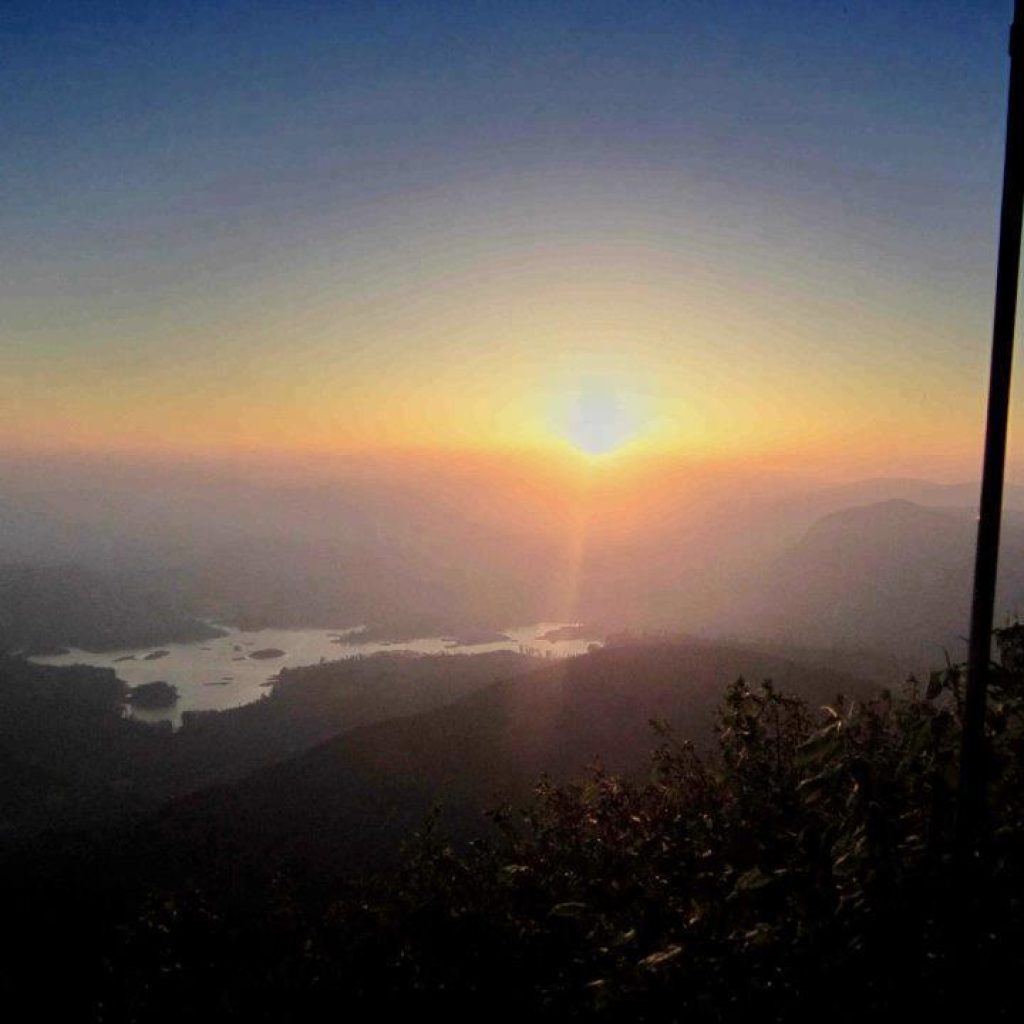
Recommended start: For a sunrise visit, plan to leave Nallathanniya at approximately 1:30–2:00 a.m. on an ordinary weekday. This gives a reasonable time allowance for a steady ascent, short rests and delays. Allow earlier departure on busy weekends or Poya nights, when queues can form on the upper steps. Confirm the expected sunrise time and local trail conditions before setting out; the climb may take around 3–5 hours or longer depending on fitness, weather and crowd levels.
Busy dates: Full-moon Poya nights, weekends and public holidays can be exceptionally crowded. If you prefer a quieter climb, choose a weekday outside the busiest holiday periods.
Outside the pilgrimage season: The route may be unlit, seasonal stalls may be closed and wet or misty conditions can make the steps hazardous. Do not assume the usual facilities or shrine access will be available. Check current local guidance before considering an off-season ascent.
What to wear for the climb
- Comfortable walking or hiking shoes: Choose closed shoes with good grip and secure laces. The steps can be wet, polished and slippery. Avoid flip-flops, loose sandals and smooth-soled footwear.
- Layered clothing: Wear a breathable T-shirt or base layer with comfortable long trousers or walking pants. You will warm up while climbing, but the summit can be cold and windy before dawn.
- Warm outer layer: Carry a fleece or warm sweater and a light windproof or waterproof jacket. A beanie or cap and light gloves can make the summit wait more comfortable.
- Modest attire at the shrine: Cover shoulders and knees, behave respectfully and be prepared to remove footwear when entering the sacred shrine area. Carry a spare pair of socks if you prefer not to stand barefoot on cold surfaces.
- Rain protection: A compact rain jacket or poncho is useful. Avoid carrying an umbrella on the crowded stairway.
Practical climbing tips
- Stay overnight in Nallathanniya or nearby, or arrange a reliable transfer from Hatton well before the climb. Do not leave the Hatton drive until the last minute.
- Eat a light meal before starting. Carry drinking water and a few easy-to-eat snacks; seasonal stalls may be open but should not be relied on.
- Carry a small torch or headlamp even when the route is expected to be illuminated, and keep your phone charged.
- Climb at a steady pace, take short rests and do not race other pilgrims. The long descent can be tiring and hard on the knees.
- Take small cash for refreshments, toilets and donations. There is no standard national-park entrance ticket for the pilgrimage trail; check locally for any current charges or changes.
- Carry personal medication and avoid attempting the climb if you are unwell or have a condition that makes prolonged steep stair climbing unsafe. If you feel dizzy, faint or unusually breathless, stop and seek assistance.
- Respect the mountain environment: use bins where available and take all rubbish back down. Do not disturb wildlife or leave plastic on the trail.
Frequently asked questions
How difficult is the Adam’s Peak climb?
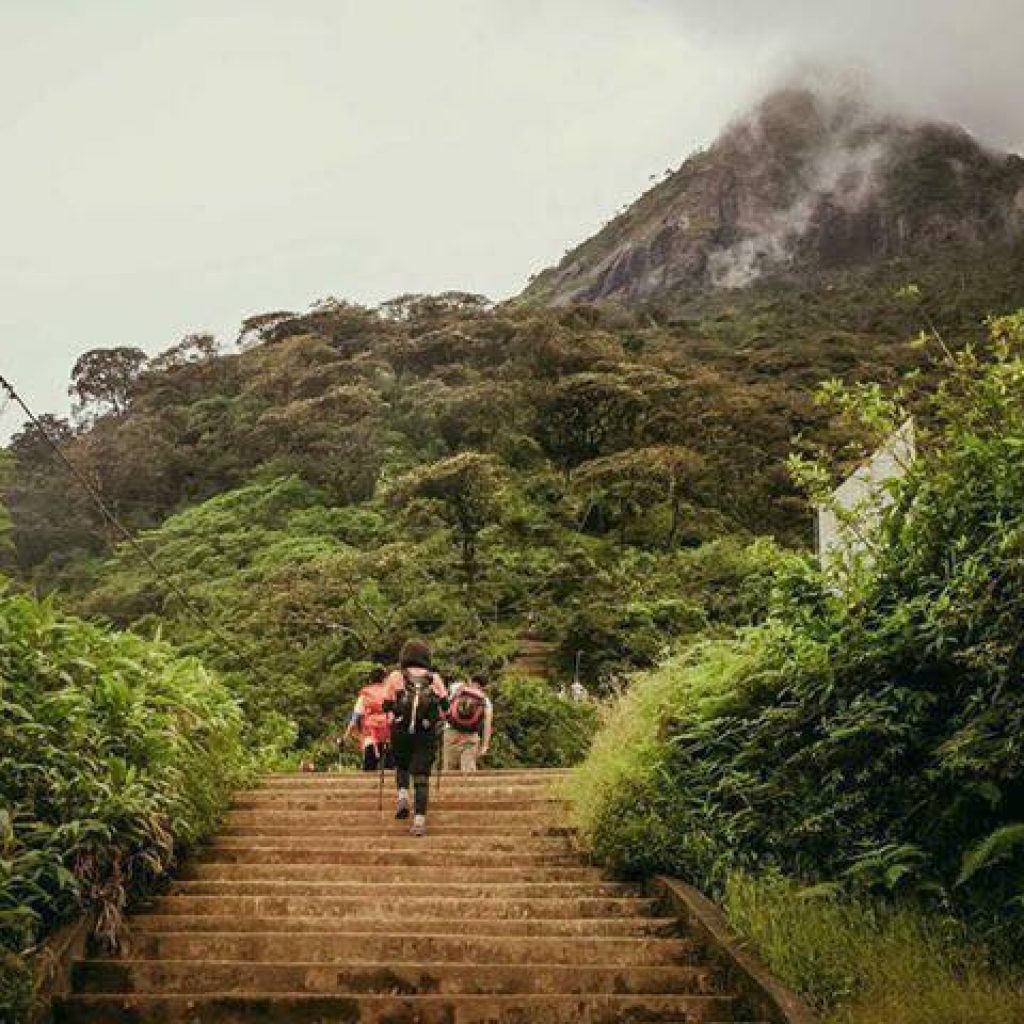
The Nallathanniya route is strenuous because it involves a long, steep ascent on thousands of steps. A slow, steady pace and regular short rests are recommended.
What time should I start climbing Adam’s Peak?
For a typical sunrise attempt, start from Nallathanniya at around 1:30–2:00 a.m. on a weekday. Allow extra time on weekends, Poya nights and holidays when queues can slow progress.
Can I climb Adam’s Peak from Hatton?
Yes. Travel by road from Hatton to Nallathanniya (Dalhousie), where the popular Hatton-side trail begins. The road distance is approximately 32 km.
What should I wear?
Wear closed shoes with good grip, comfortable walking clothes and layered clothing. Carry a warm jacket and rain protection. Dress modestly at the summit shrine and be ready to remove your footwear there.
Is Adam’s Peak open throughout the year?
The main pilgrimage season is generally December to May. Outside this period, the trail may be unlit and facilities may be closed, while rain and mist can make the climb unsafe. Check current local advice before travelling.
Explore the Hatton Destination