
Overview
Situated in the cultural capital of Jaffna, Nallur Kandaswamy Temple stands as one of the most sacred and iconic Hindu temples in Sri Lanka. Revered by Hindu devotees across the island and abroad, the temple serves as the spiritual centre of Northern Sri Lanka and a powerful symbol of Tamil culture, devotion, and resilience.
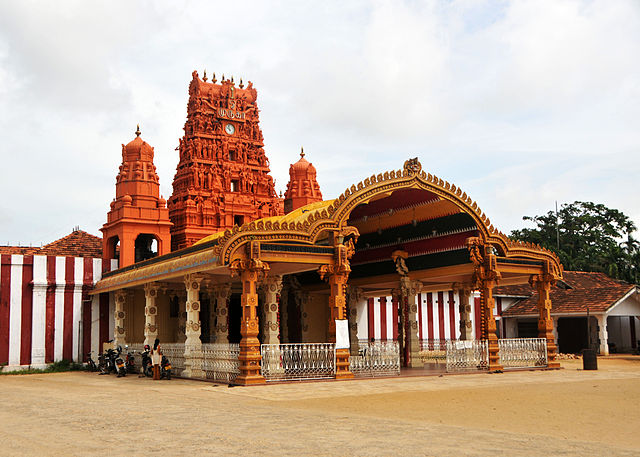
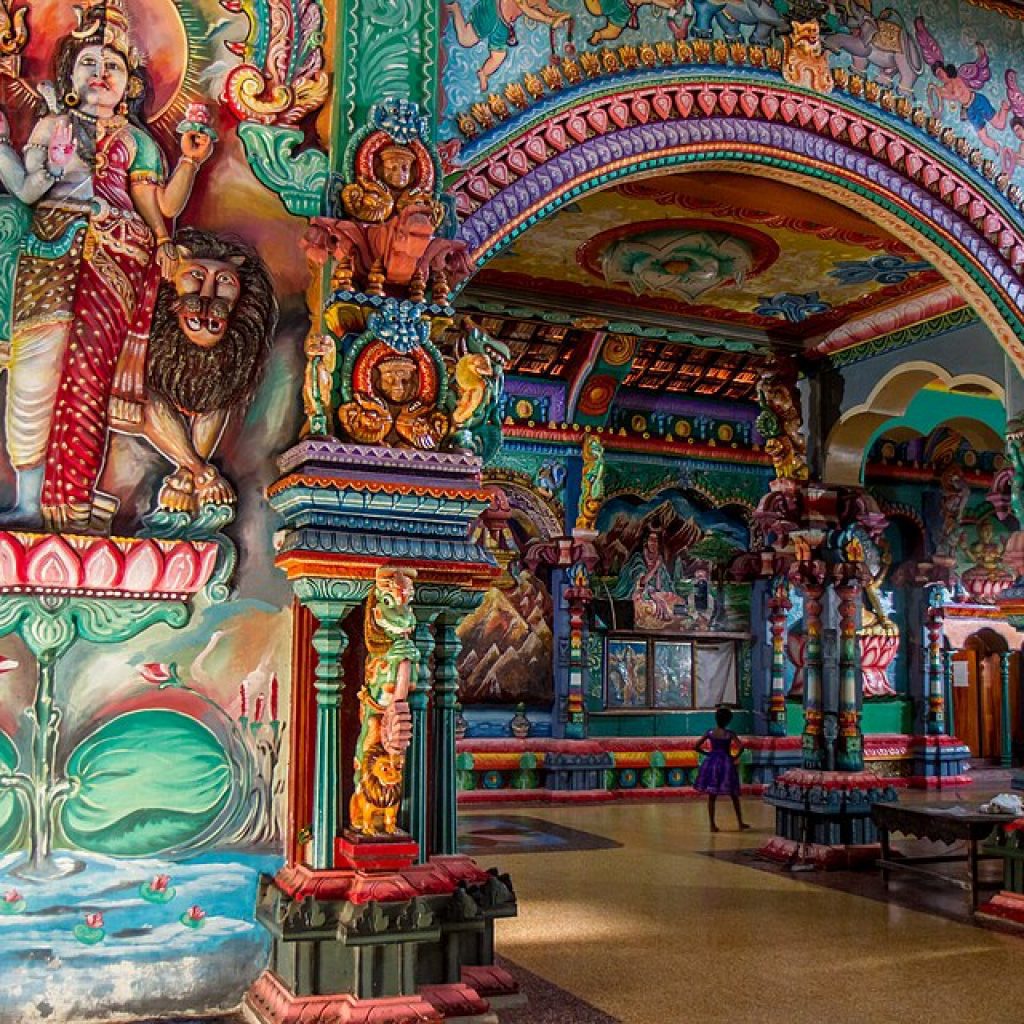
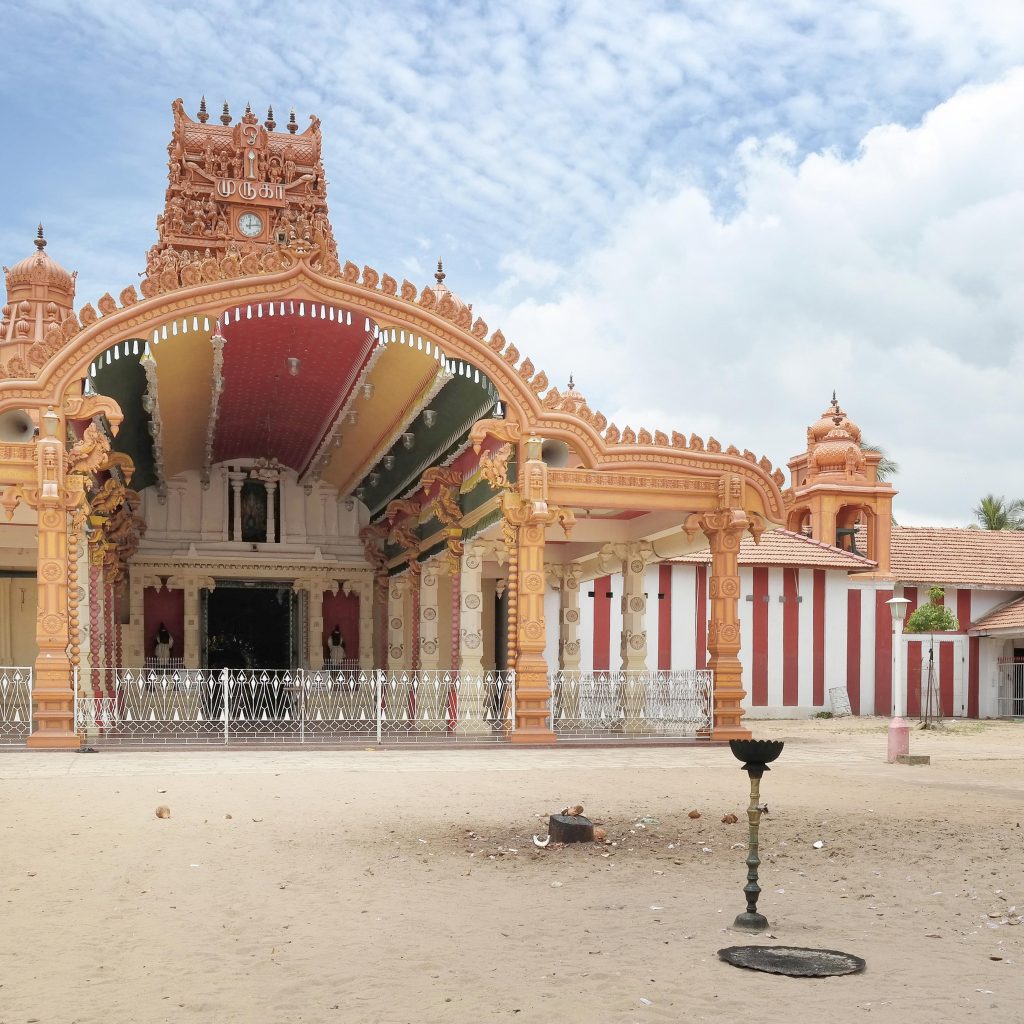
Dedicated to Lord Murugan, also known as Skanda or Kandaswamy, the temple attracts thousands of worshippers and visitors daily. Its towering golden gopuram (entrance tower), elaborate Dravidian architecture, colourful shrines, and vibrant rituals create a deeply spiritual atmosphere unlike anywhere else in Sri Lanka.
The origins of Nallur Kandaswamy Temple date back many centuries. Historical records and traditional chronicles such as the Yalpana Vaipava Malai indicate that the original temple was founded around 948 AD. During the 13th century, the temple was further developed under the patronage of Puveneka Vaahu, a minister associated with the Jaffna Kingdom ruled by King Kalinga Magha.
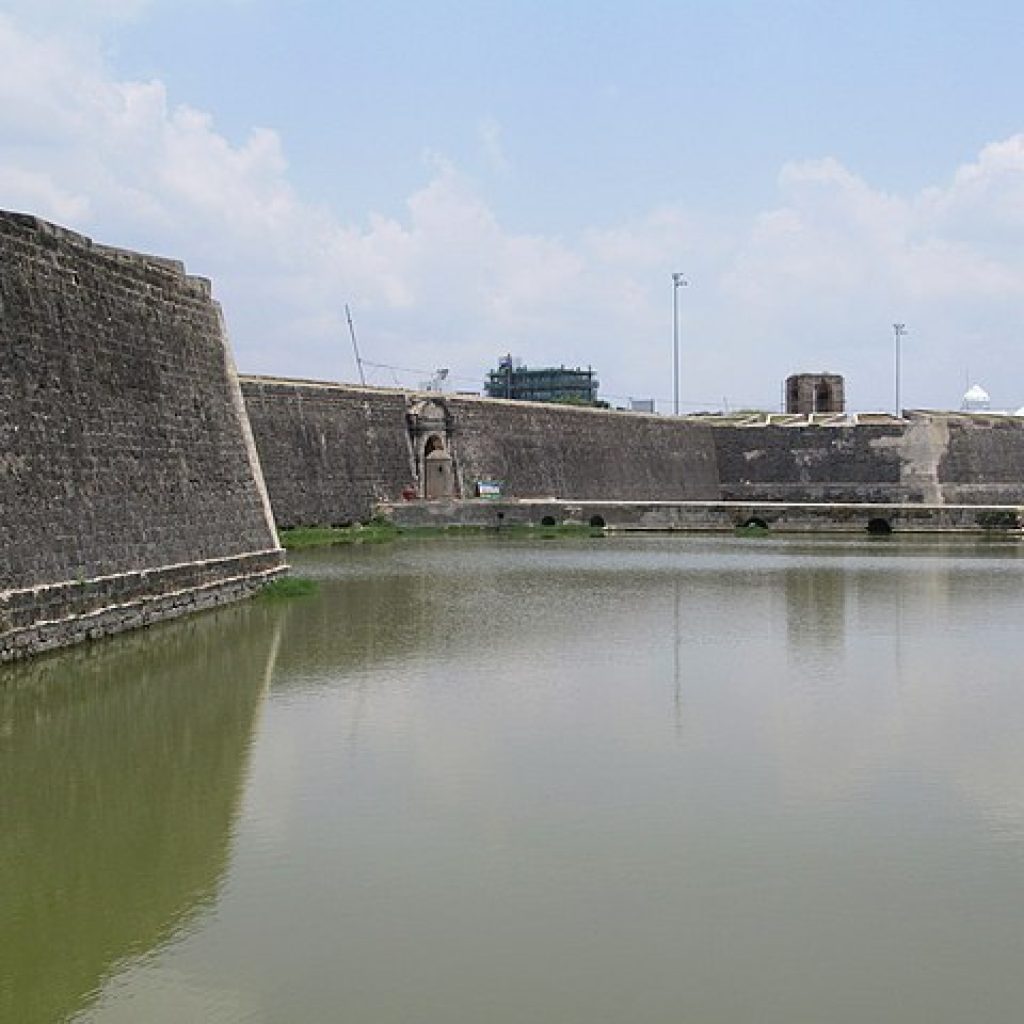
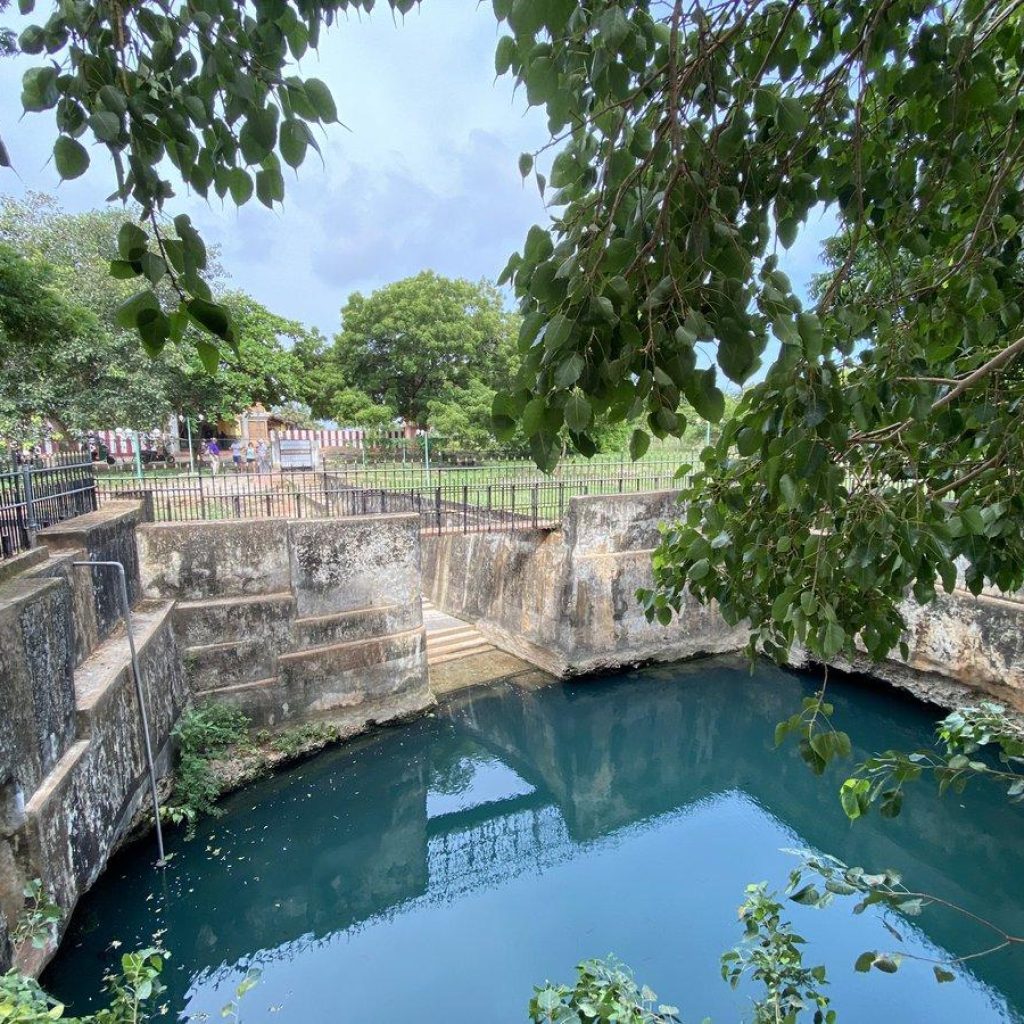
Nallur itself served as the royal capital of the Jaffna Kingdom, with the king’s palace located close to the temple complex. The ancient city was carefully planned according to Hindu architectural traditions, featuring four gateways, broad ceremonial roads, market areas, religious shrines, royal buildings, and fortified walls. The Kandaswamy Temple functioned not only as a religious centre but also as part of the city’s defensive structure.
Historical accounts suggest that Sapumal Kumaraya, also known in Tamil history as Chempaha Perumal, either rebuilt or renovated one of the major temple structures during his rule over Jaffna on behalf of the Kotte Kingdom. However, much of the ancient temple complex was later destroyed during Portuguese colonial rule in 1624 under Phillippe de Oliveira, as Catholic colonial forces dismantled important Hindu religious centres across the region.
The present temple seen today was rebuilt in later centuries and has grown into one of the most magnificent Hindu kovils in South Asia. Its gleaming golden towers, intricate carvings, sacred halls, and ceremonial spaces reflect classic South Indian Dravidian temple architecture blended with the unique traditions of Northern Sri Lanka.
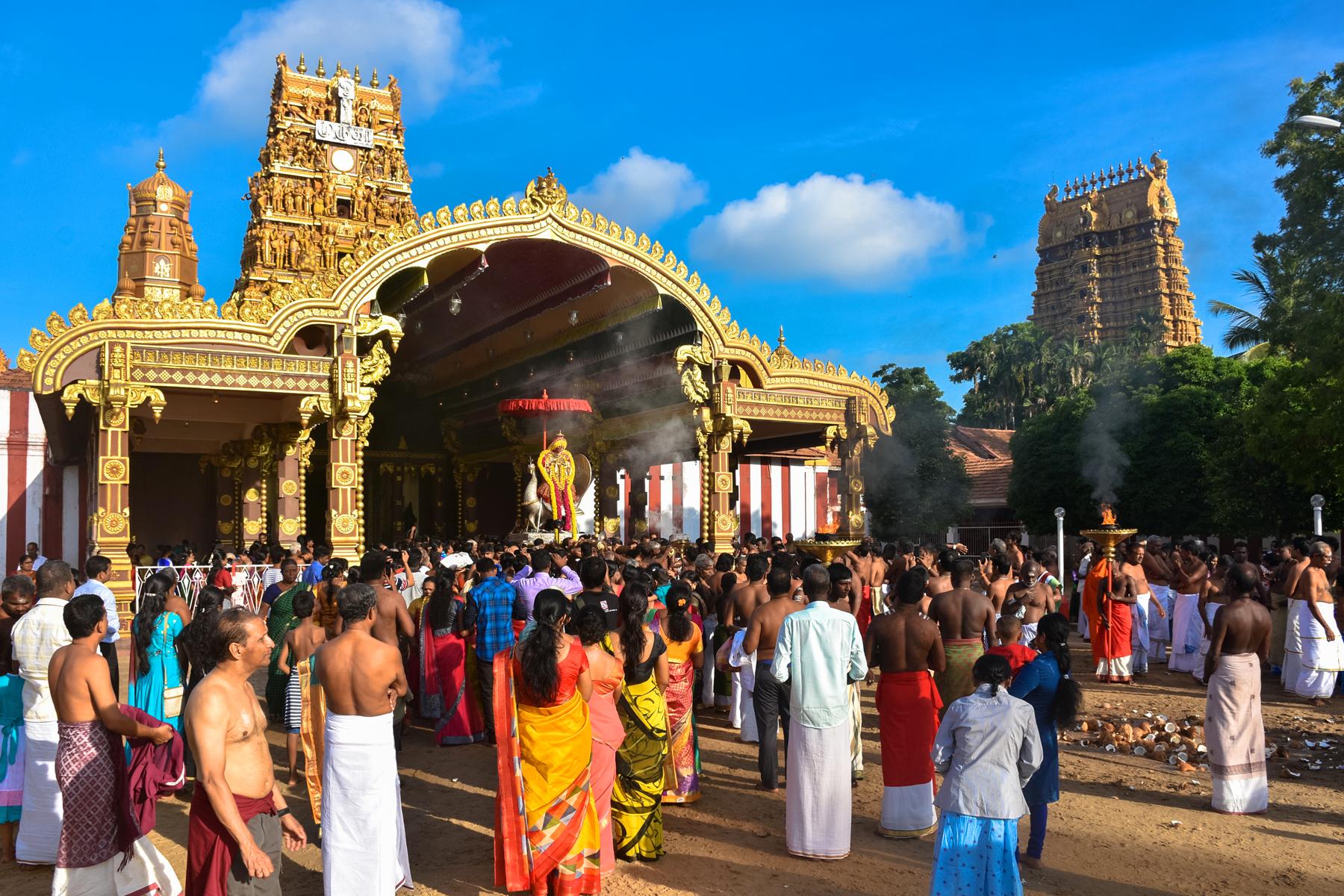
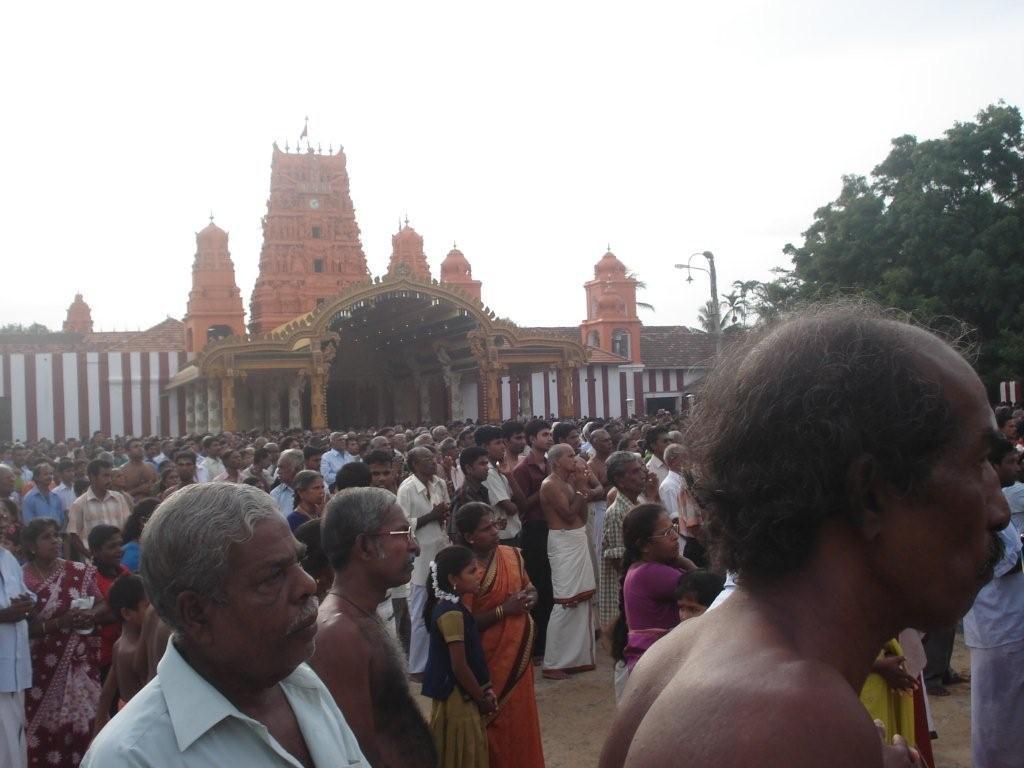
The temple reaches its most spectacular atmosphere during the annual Nallur Festival, held over several weeks between July and August. During this period, thousands of devotees dressed in traditional attire gather for colourful processions, drumming ceremonies, devotional rituals, fire-walking, and acts of religious penance. The grand chariot procession is one of the largest religious festivals in Sri Lanka and attracts pilgrims from around the world.
Visitors to the temple are welcomed by a deeply spiritual environment filled with the sound of bells, devotional chants, incense, and prayer rituals. The temple remains not only a place of worship but also a centre of community life, cultural identity, and historical continuity for the Tamil people of Northern Sri Lanka.
Today, Nallur Kandaswamy Temple continues to stand proudly as one of Sri Lanka’s most important religious landmarks and an essential attraction for travellers seeking cultural understanding, architectural beauty, and spiritual insight.