
Layout – Maha Vihara Monastery
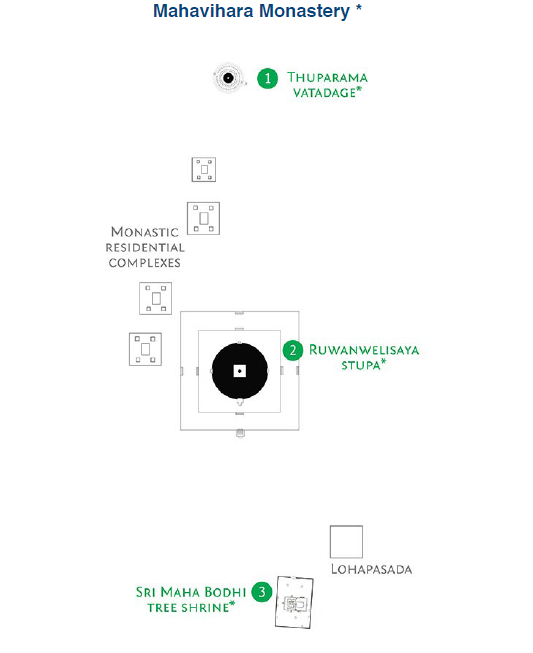
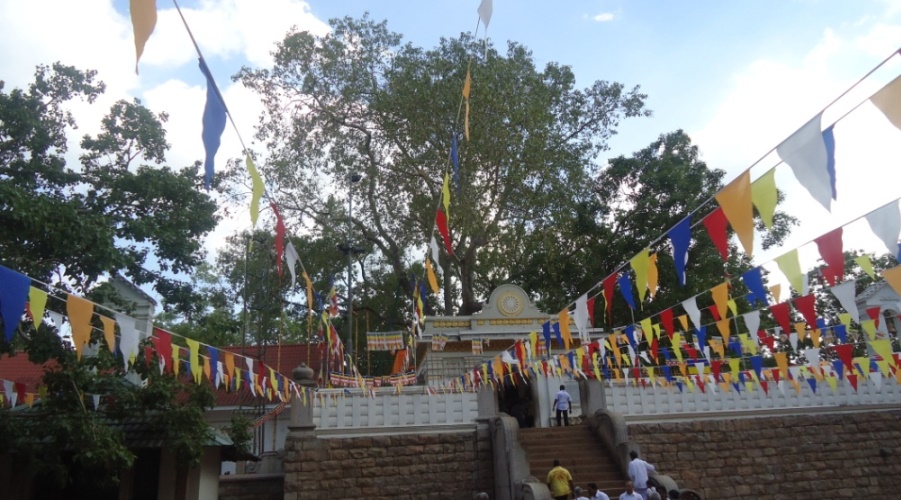
The Maha Vihara was the principal Buddhist monastic center in Anuradhapura and served as the epicenter of Buddhist teachings and meditation. It was here that many of the earliest Buddhist missionaries and scholars gathered, and it became the core of religious life for many kings who ruled Sri Lanka during the island’s golden age of Buddhism.
Layout – Maha Vihara Monastery
Sri Maha Bodhi Tree
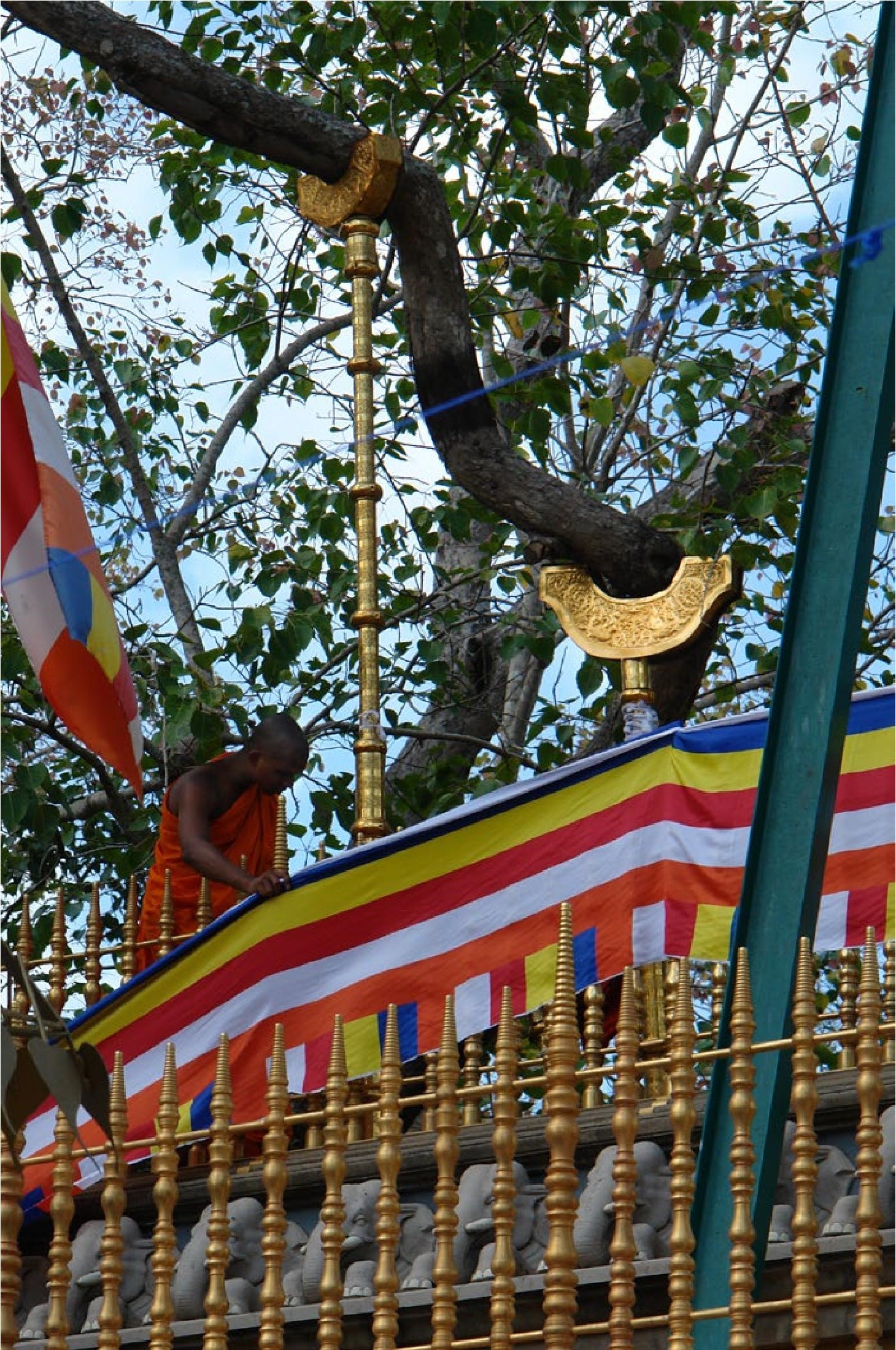
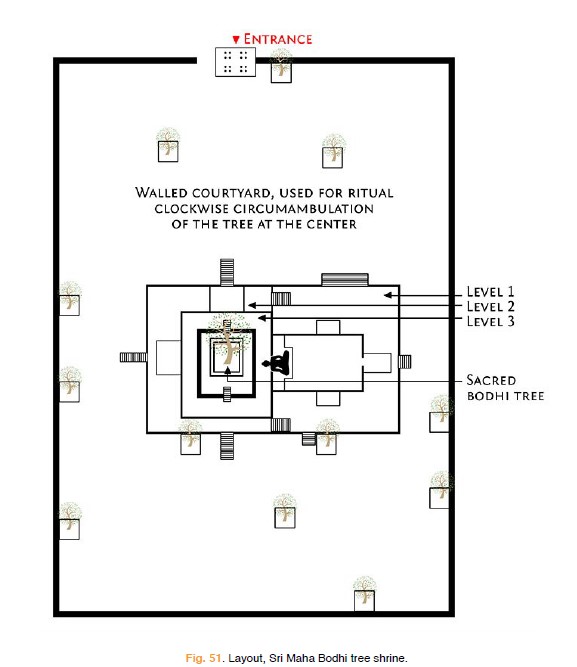
The Sri Maha Bodhi is not just a living tree; it represents the continuity of the Buddha’s teachings in Sri Lanka. Its location within the Maha Vihara Monastery Complex reinforces the connection between Buddhism, Sri Lankan royalty, and the devotional practices of the people. The Bodhi tree has witnessed countless ceremonies, including annual festivals, where pilgrims gather to pay homage to the tree.
Lovamahapaya (Brazen Palace)
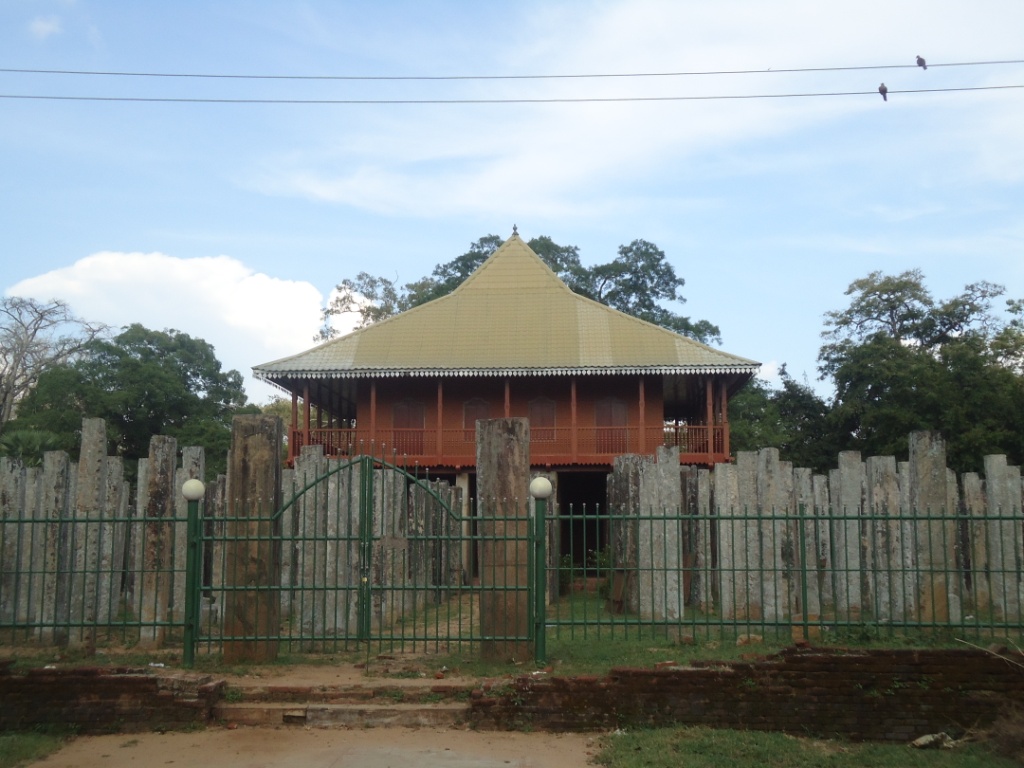
The Lovamahapaya was located next to the Ruwanweliseya Stupa, reinforcing the sacred nature of the surrounding area. Unfortunately, much of the structure has deteriorated over time, but the pillars that remain today give a glimpse of its former grandeur. The structure was used for Buddhist study, meditation, and worship.
The Lovamahapaya was a monumental testament to the devotion of the Sri Lankan kings to Buddhism, and the sheer scale of the structure is a reminder of the grandeur of ancient Sri Lankan architecture.
Ruwanweliseya Stupa

 The stupa is revered not only for its spiritual significance but also for its architectural brilliance. Standing at approximately 55 meters (180 feet) in height, the Ruwanweliseya is an iconic landmark of Anuradhapura and remains a testament to the king’s devotion to Buddhism and his desire to provide a lasting symbol of peace and unity for the kingdom. The stupa is considered to house a relic of the Buddha and continues to be a central place for religious rituals and ceremonies.
Over time, the Ruwanweliseya has undergone restorations, including one in the early 20th century, to preserve its original splendor. It remains a major pilgrimage site for Buddhists in Sri Lanka and around the world.
Thuparama Stupa

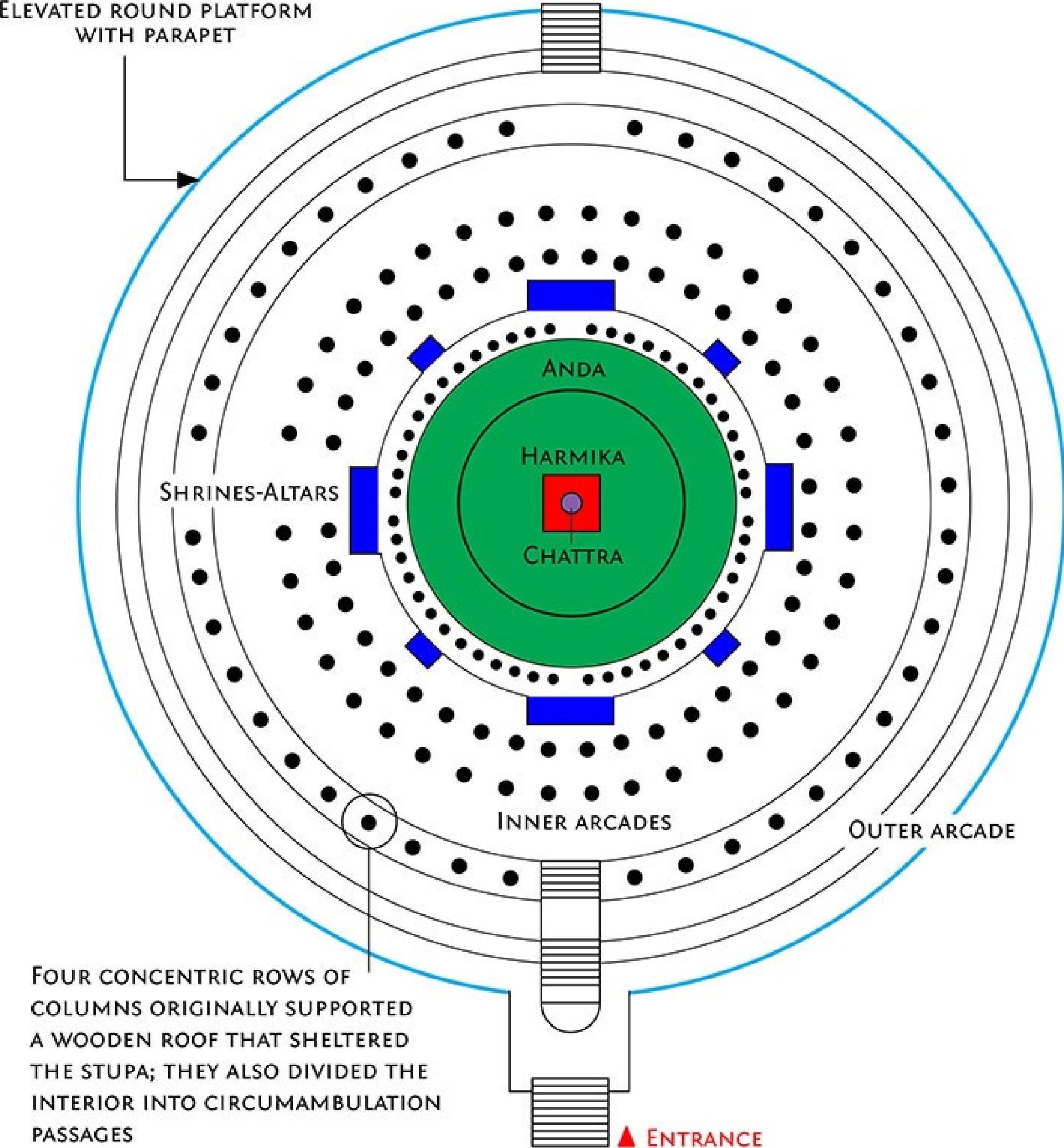
The Thuparama is renowned for its architectural design—the stupa was surrounded by pillars, many of which still remain today, creating an impressive sight as you approach. The stupa’s brickwork and pillared enclosures give it an imposing yet elegant appearance, symbolizing the enduring strength of Buddhist teachings in Sri Lanka. Thuparama also reflects the strong Indian influence on early Sri Lankan Buddhist architecture, especially in the style of stupa construction and the placement of relics within.
The Thuparama continues to be an important religious monument, attracting pilgrims who come to worship the Buddha’s relic and meditate in the sacred grounds.
Conclusion: The Maha Vihara Monastery Complex
The Maha Vihara Monastery Complex in Anuradhapura is one of Sri Lanka’s most important historical and religious sites. The Sri Maha Bodhi Tree, Ruwanweliseya Stupa, Thuparama Stupa, and Lovamahapaya each represent a unique chapter in Sri Lanka’s Buddhist history, from the early days of Buddhism in the island to the flourishing of a great Buddhist civilization under kings like Devanampiya Tissa and Parakramabahu I.
These monuments not only represent the architectural genius of their time but also serve as symbols of the Buddhist faith that continue to inspire and attract pilgrims and tourists alike. Whether it’s the sacred Sri Maha Bodhi Tree, the stupas that house Buddha relics, or the monastic complexes where monks meditated and studied, the Maha Vihara Monastery remains a vital part of Sri Lanka’s cultural and spiritual heritage.
Jethawana Monastery Complex at Anuradhapura The Jethawana Monastery Complex in Anuradhapura is one of the most impressive and significant religious sites from Sri Lanka’s ancient Buddhist era. The complex was originally built during the 4th century CE under the reign of King Mahasena (reigned 334–361 CE). King Mahasena was a key figure in the development [...]
Abhayagiri Monastery Complex at Anuradhapura The Abhayagiri Monastery Complex is one of the largest and most important Buddhist monastic complexes in Anuradhapura, Sri Lanka’s ancient capital. It played a pivotal role in the history of Sri Lankan Buddhism, as it was a major center for learning, meditation, and religious practice. Founded by King Vattagamani Abhaya [...]
Mirisaveti Monastery Complex at Anuradhapura The Mirisaveti Monastery complex is one of the most important and historically significant Buddhist sites in Anuradhapura, Sri Lanka's ancient capital. Anuradhapura, which served as the island’s capital for over a millennium, is renowned for its ancient Buddhist monuments, including stupas, monasteries, and sacred trees, which have been central to [...]
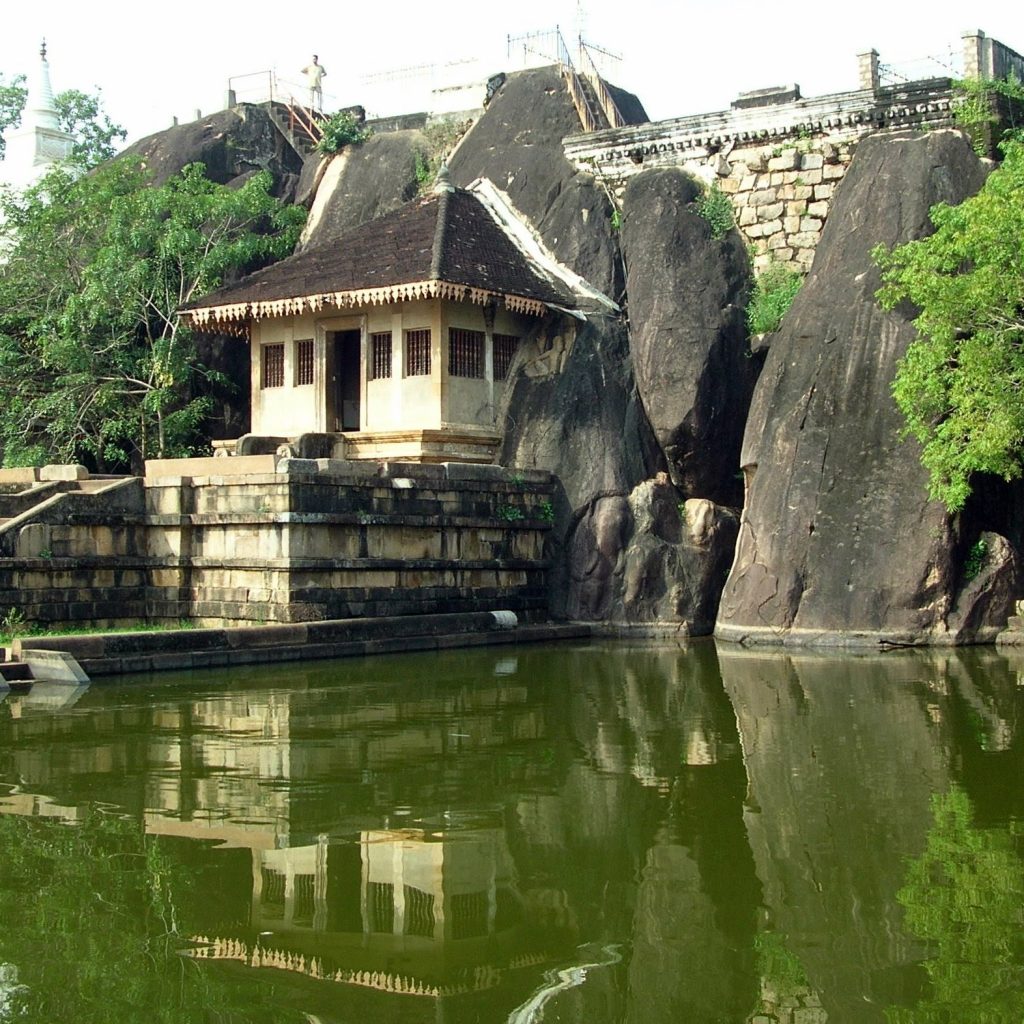
An ancient rock temple famed for its exquisite stone carvings and tranquil lakeside setting. Isurumuniya Temple is one of Anuradhapura’s most treasured religious and archaeological sites, renowned for its ancient rock carvings, serene surroundings, and deep connection to Sri Lanka’s early Buddhist history. Nestled beside the picturesque Tissa Wewa reservoir, the temple attracts pilgrims, history [...]