

from 0,00€/day
Book Now

Jethawana Monastery Complex

Jethawana Monastery Complex at Anuradhapura

The Jethawana Monastery Complex in Anuradhapura is one of the most impressive and significant religious sites from Sri Lanka’s ancient Buddhist era. The complex was originally built during the 4th century CE under the reign of King Mahasena (reigned 334–361 CE). King Mahasena was a key figure in the development of Sri Lanka’s Buddhist architecture and monastic complexes, and the Jethawana Monastery is among the largest and most important of his contributions to the island’s spiritual heritage.

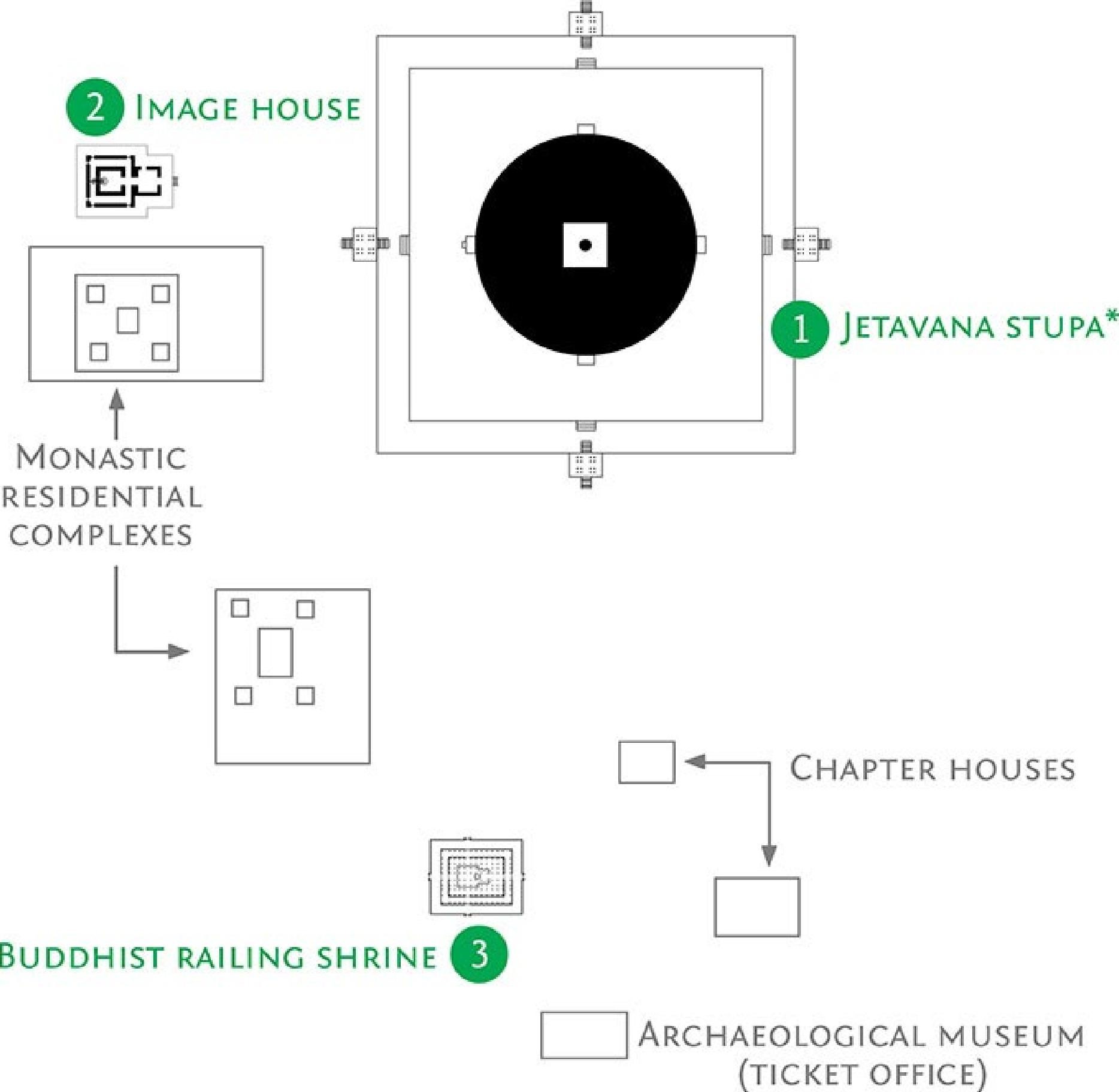
The Jethawana Monastery was built to house the Jethawana Stupa, which is one of the largest stupas in Sri Lanka, as well as several other monastic buildings, including the Image House and the Buddhist Railing Shrine. The monastery served as a major center for Buddhist learning, meditation, and worship, attracting pilgrims and monks from all over Sri Lanka and even India. It is part of the larger Anuradhapura Sacred City, which remains a UNESCO World Heritage Site, filled with monuments reflecting the island’s long history of Buddhist culture.

Jethawana Stupa

  • Year of Erection: The Jethawana Stupa was constructed during the reign of King Mahasena in the 4th century CE (around 360 CE), making it one of the most important ancient stupas in Sri Lanka.
  • Historical Background: The Jethawana Stupa is considered one of the largest stupas in Sri Lanka and one of the most significant religious monuments in the Jethawana Monastery complex. At its height, the stupa reached 122 meters (400 feet), making it taller than even the Ruwanweliseya Stupa in Anuradhapura. The stupa is a symbol of the Buddha’s teachings and was built to enshrine Buddha relics, likely including the Buddha’s tooth relic or other important Buddhist relics.

The Jethawana Stupa is hemispherical in shape, in keeping with the traditional stupa design, and it was intended to represent the cosmos—with the dome symbolizing the universe and the spire representing the Buddha’s path to enlightenment. It was surrounded by circular walls and pillars, some of which remain today, creating a majestic and grand architectural presence.

Although much of the stupa has been eroded over time, the remnants of the structure continue to reflect its historical significance. The stupa’s symbolic representation of the Buddha’s teachings continues to attract both pilgrims and tourists who visit Anuradhapura to pay respects and seek spiritual connection.
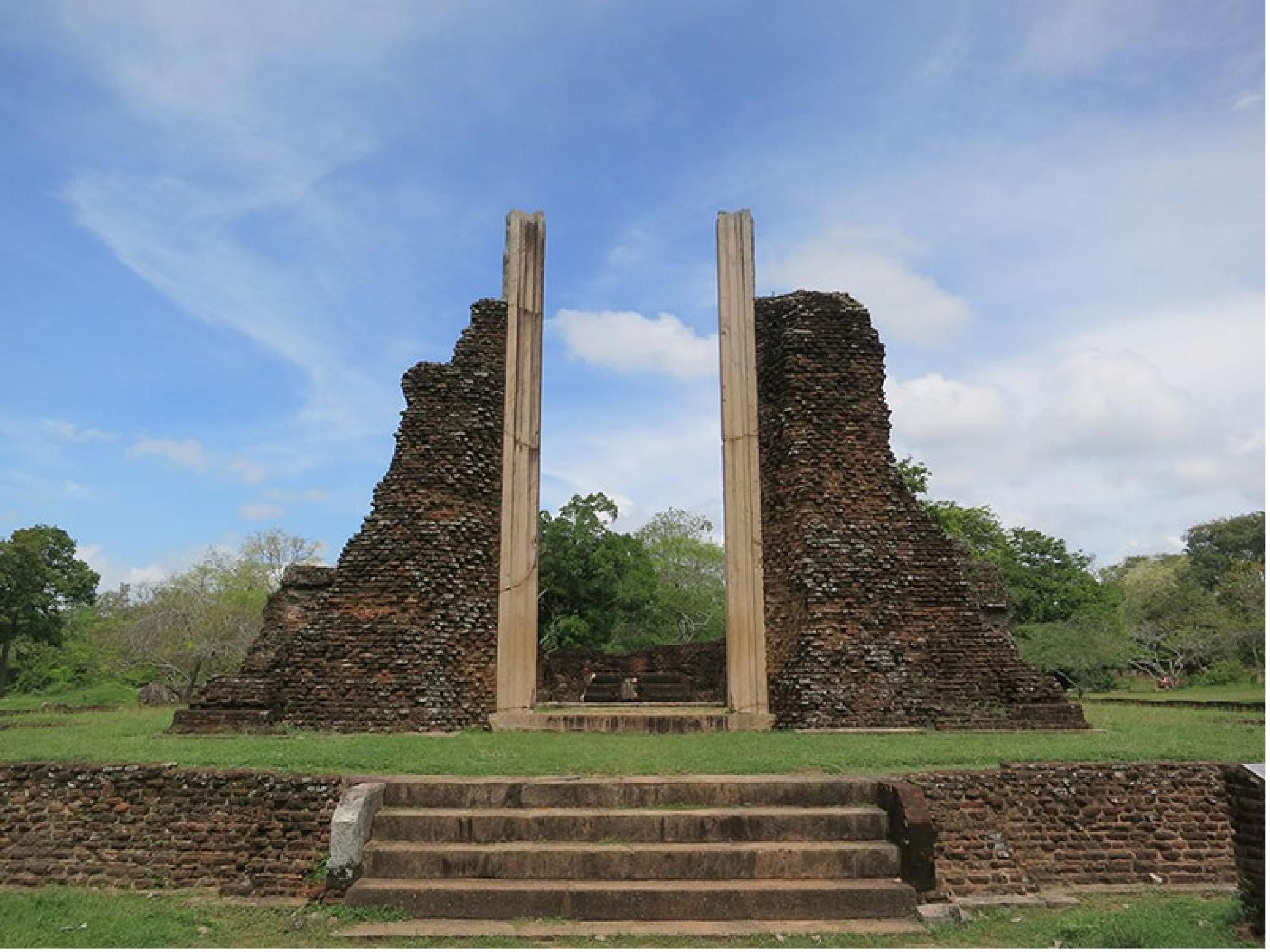
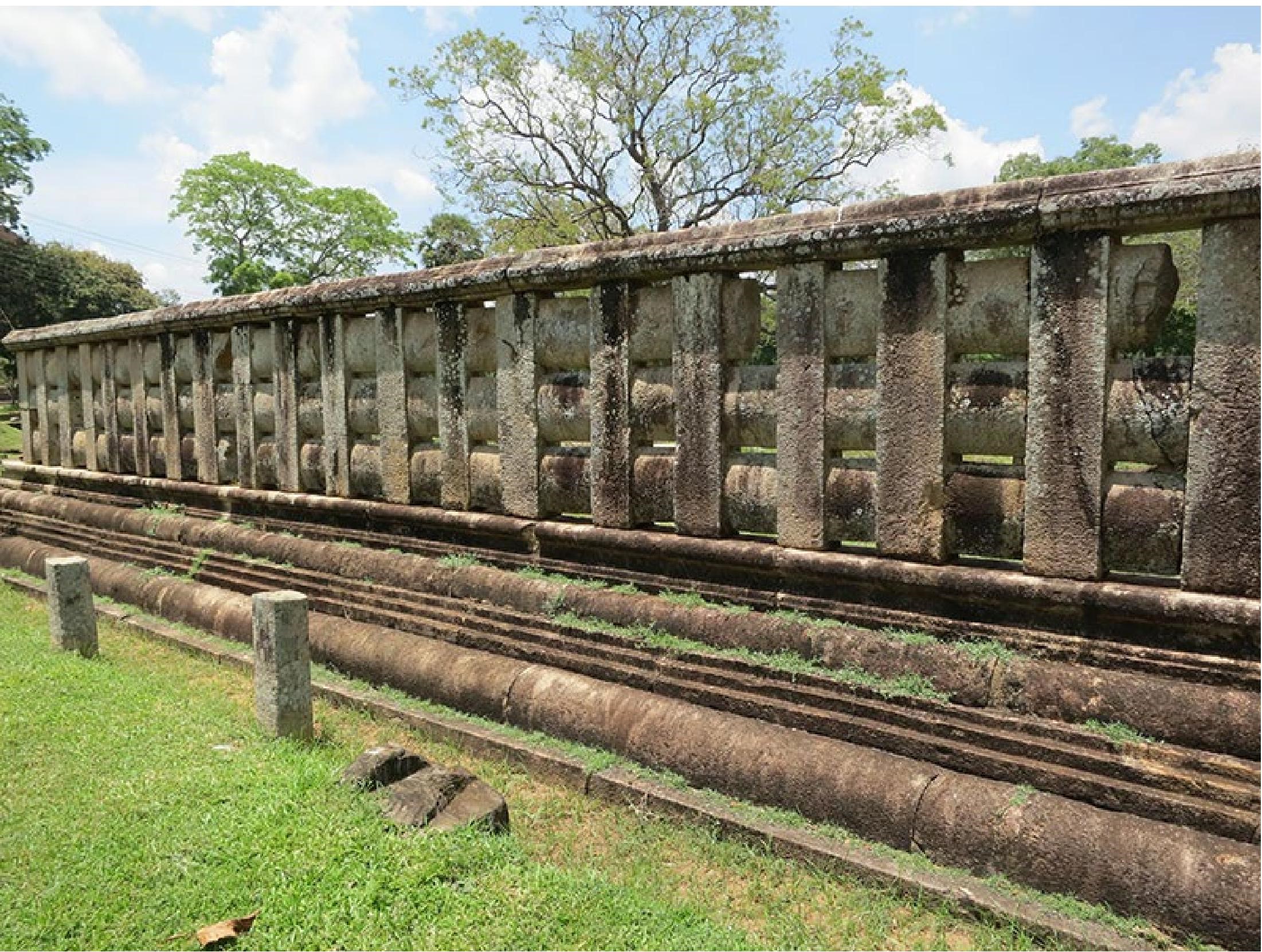
Image House

  • Year of Erection: The Image House was likely constructed during the same period as the Jethawana Stupa, under the reign of King Mahasena, around the 4th century CE.
  • Historical Background: The Image House at the Jethawana Monastery was a space dedicated to the worship of Buddha and the display of Buddha statues. In Buddhist architecture, an Image House (or Vihara) is where statues of the Buddha are housed, and it is a place for meditation, rituals, and ceremonial gatherings.

The Image House at the Jethawana Monastery is particularly notable for its size and grandeur, with ample space for the Buddha statues, and for the wall carvings that once adorned its walls. These carvings likely depicted scenes from the Buddha’s life, his teaching moments, and various Jataka tales, which illustrate the Buddha’s actions in previous lives. Some of the wall murals might have also depicted the king’s contributions to the monastery and his role in preserving the Buddhist faith.

The Image House served as the spiritual center of the Jethawana Monastery. It was here that monks and pilgrims would gather to worship the Buddha and engage in meditative practices, ensuring that the monastery remained an essential part of the religious life of Anuradhapura.

Buddhist Railing Shrine

  • Year of Erection: The Buddhist Railing Shrine was constructed at the same time as the Jethawana Stupa, around the 4th century CE, and was designed to surround and protect the sacred stupa.
  • Historical Background: The Buddhist Railing Shrine (often referred to as a Vihara or stone railing) is an important architectural feature of the Jethawana Monastery. The railing was built to enclose the Jethawana Stupa, marking the sacred space and serving both a functional and spiritual purpose. It is made up of decorative stone pillars and carved rails, which served to demarcate the sacred grounds of the stupa and keep the area protected from external influences.

The Buddhist Railing Shrine also often features sculpted designs of lions, elephants, and other mythical creatures, which symbolize protection, strength, and the power of the Buddha’s teachings. These railings helped create a ritualistic space for devotees, marking a boundary between the mundane world and the sacred space of the stupa.

The railing’s symbolic function is to represent the barrier between samsara (the cycle of birth, death, and rebirth) and the goal of enlightenment. In this context, the Buddhist Railing Shrine at Jethawana Monastery played a key role in keeping the monastic space sacred, providing a place where followers could come for spiritual purification, worship, and meditation.

Conclusion: The Jethawana Monastery Complex

The Jethawana Monastery remains one of the most significant Buddhist sites in Sri Lanka, with its vast stupa, Buddhist image house, and ritualistic ponds representing the height of ancient Sri Lankan architecture. The Jethawana Stupa, Image House, Buddhist Railing Shrine, and pools exemplify the spirituality, discipline, and devotion that were central to the Buddhist monastic community in Anuradhapura. The monastery, built under King Mahasena, continues to be a symbol of the king’s patronage of Buddhism and a center of learning and spiritual practice for centuries. The remnants of the complex still attract pilgrims and tourists who come to witness the architectural and cultural legacy of Sri Lankan Buddhism.

Similar Attractions

Related Destination

Anuradhapura