A garden with a scientific beginning
Hakgala’s story began in 1861, when the site was established for experiments with cinchona, a source of quinine. As agricultural research and plant collections developed, the grounds grew into a botanical garden. Tea trials were also part of its early history, before tea became Sri Lanka’s defining hill-country crop.
The garden’s name is linked to Hakgala Rock, a high landmark that towers above the terraced slopes. Its setting gives the visit a distinctive mix of cultivated gardens and wild mountain backdrop.
Walk through the garden
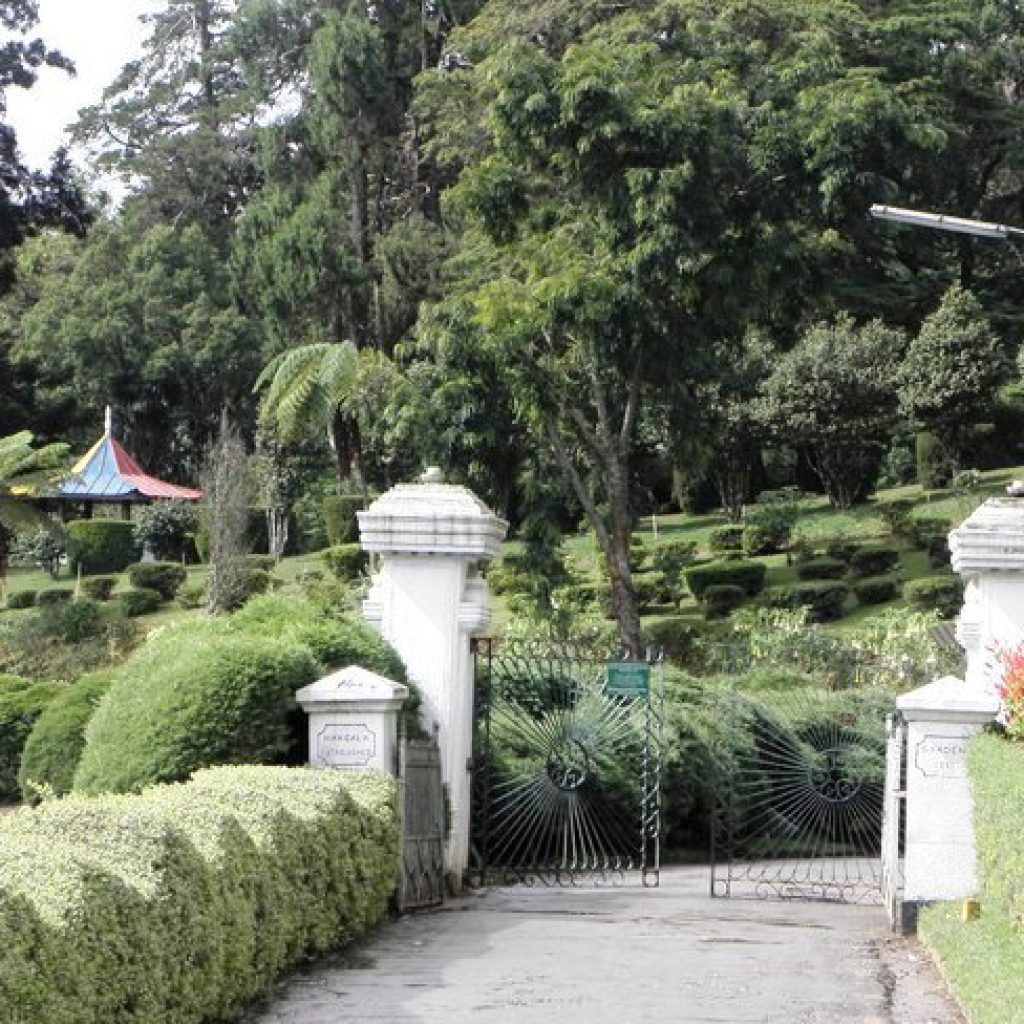
Near the entrance, flower beds and a sloping garden set the scene. Follow the paths to the central pond, then explore the bulb garden, rose terraces, upper flower garden and fernery. The arboretum brings together native and introduced trees, while the glasshouse displays indoor plants and succulents.
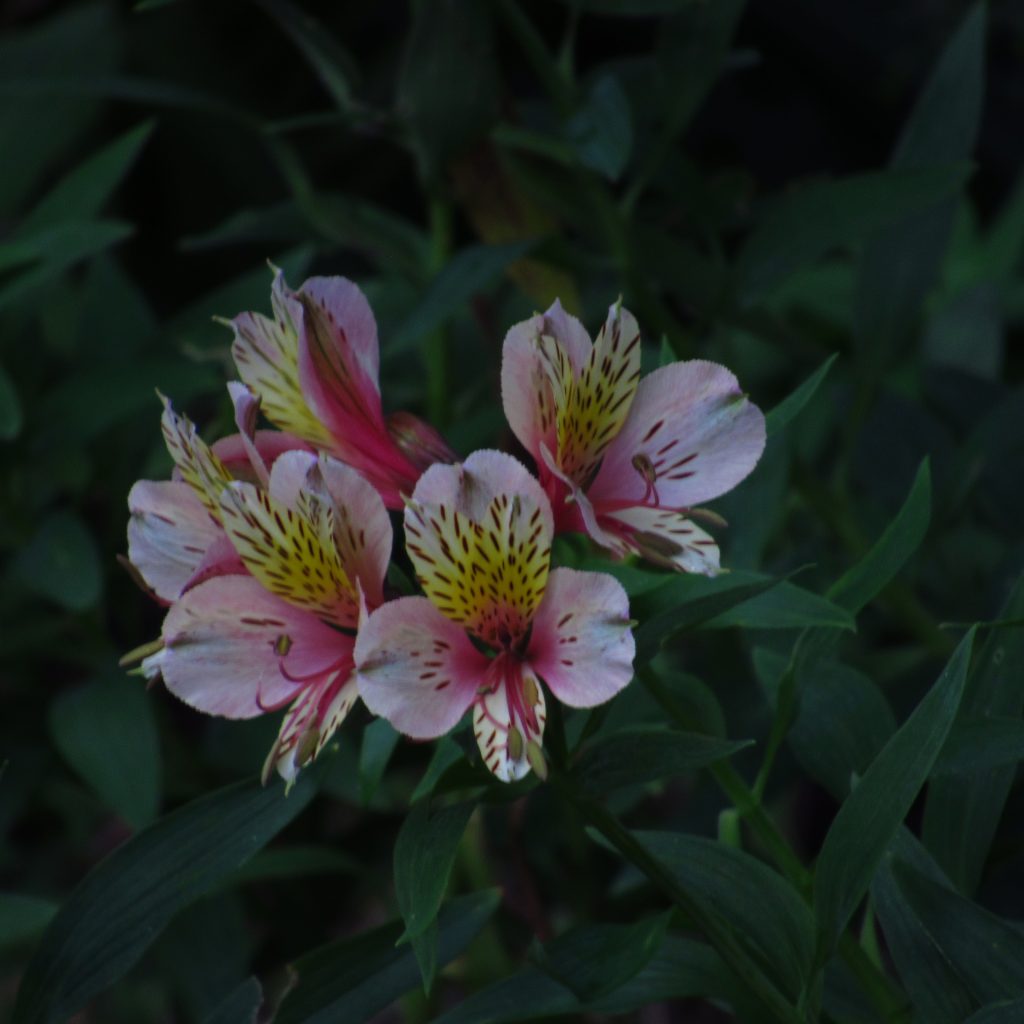
Look out for the scarlet blooms of Maha Rath Mal, Sri Lanka’s native rhododendron. Depending on the season, annual flowers add fresh colour along the borders and lawns.