
from 0,00€/day
Book Now

Abhayagiri Monastery Complex

Abhayagiri Monastery Complex at Anuradhapura

The Abhayagiri Monastery Complex is one of the largest and most important Buddhist monastic complexes in Anuradhapura, Sri Lanka’s ancient capital. It played a pivotal role in the history of Sri Lankan Buddhism, as it was a major center for learning, meditation, and religious practice. Founded by King Vattagamani Abhaya (also known as King Valagamba) in the 1st century BCE, the Abhayagiri Monastery became an influential and renowned place of worship and study for monks from all over South Asia.

At its peak, the complex housed thousands of monks and served as a spiritual hub, hosting scholars, pilgrims, and visitors from across the Buddhist world. The site boasts a wealth of architectural marvels, including large stupas, statues, and ritualistic spaces. Many of the structures found in the Abhayagiri Monastery are notable for their unique design and artistic quality, reflecting the development of Buddhist culture and architecture during the Anuradhapura period.

Abhayagiri Stupa

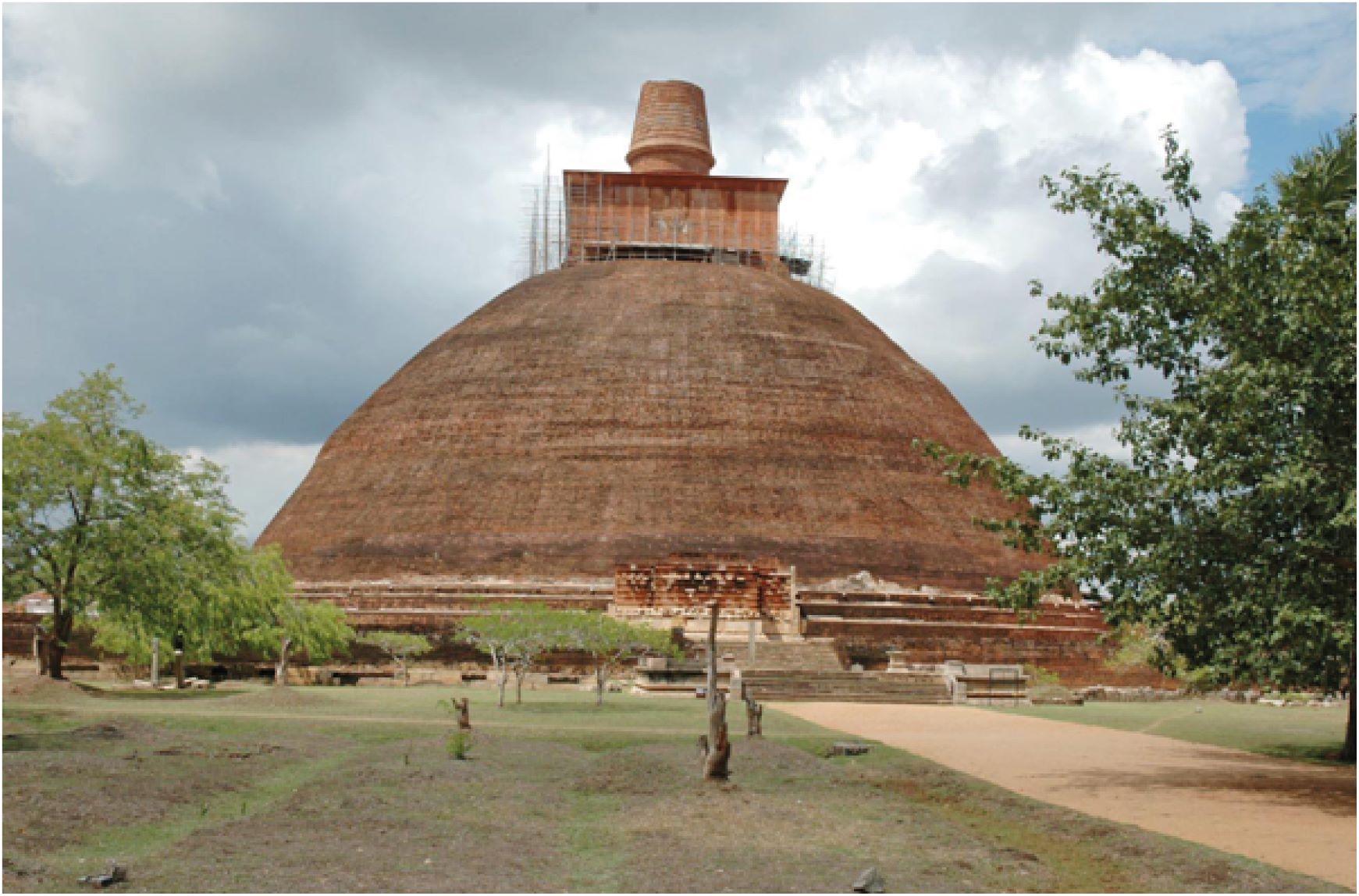
  • Year of Erection: The Abhayagiri Stupa was originally built around the 1st century BCE, during the reign of King Vattagamani Abhaya. It was later expanded and renovated by various kings, including King Mahasena in the 4th century CE.
  • Historical Background: The Abhayagiri Stupa is one of the largest stupas in Sri Lanka and a defining feature of the Abhayagiri Monastery complex. It is believed to have been constructed to house relics of the Buddha and is regarded as a sacred site for Buddhist worship. The stupa’s hemispherical shape represents the Buddha’s teachings and the journey to enlightenment.

The Abhayagiri Stupa has a remarkable architectural design and was once an imposing structure that towered over the surrounding area. Today, the stupa’s remains are a focal point for visitors to the complex, and it continues to be an important pilgrimage site for Buddhists in Sri Lanka. The monastic area surrounding the stupa once contained meditation halls, monks’ quarters, and other ritual spaces.
Ratna Prasada and Guardstone

  • Year of Erection: The Ratna Prasada and the Guardstone were likely constructed during the reign of King Mahasena in the 4th century CE, though the exact dates of construction remain uncertain.
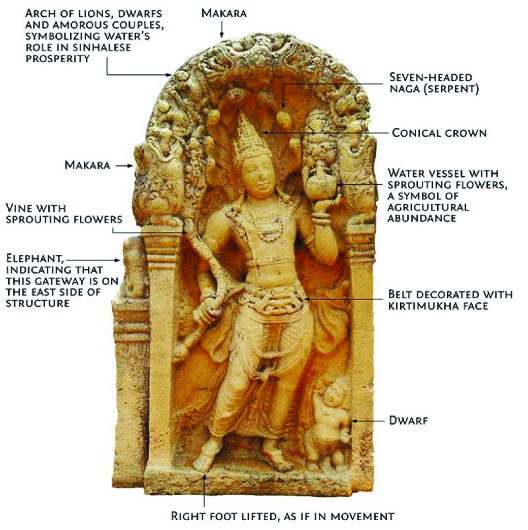
  • Historical Background: The Ratna Prasada, also known as the Gem Palace, is a structure believed to have been used for rituals and ceremonies within the Abhayagiri Monastery. It is often associated with the reception of royal visitors and the storage of sacred relics. The Guardstone, which is located at the entrance of the Ratna Prasada, is an intricately carved stone structure that marks the sacred space of the monastery.

The Guardstone is a unique and important feature of the site, serving not only as a symbol of protection but also as a boundary between the sacred inner sanctum of the monastery and the secular world. The stone is decorated with intricate carvings of mythical creatures and protective symbols, representing the spiritual guardians of the monastery.Guardstone-at-Rathna-Prasada

Mahasena’s Palace and Moonstone

  • Year of Erection: The Mahasena Palace was constructed during the reign of King Mahasena in the 4th century CE, and the Moonstone (Chandrakala Patha) is believed to have been placed at the palace entrance during the same period.
  • Historical Background: The Mahasena Palace was likely a royal residence or administrative building located near the Abhayagiri Monastery. The palace was renovated and expanded by King Mahasena, who was a key patron of Buddhist architecture. Although much of the palace structure has not survived, it is thought that the palace grounds included gardens, pavilions, and ritual areas where the king could perform ceremonies.

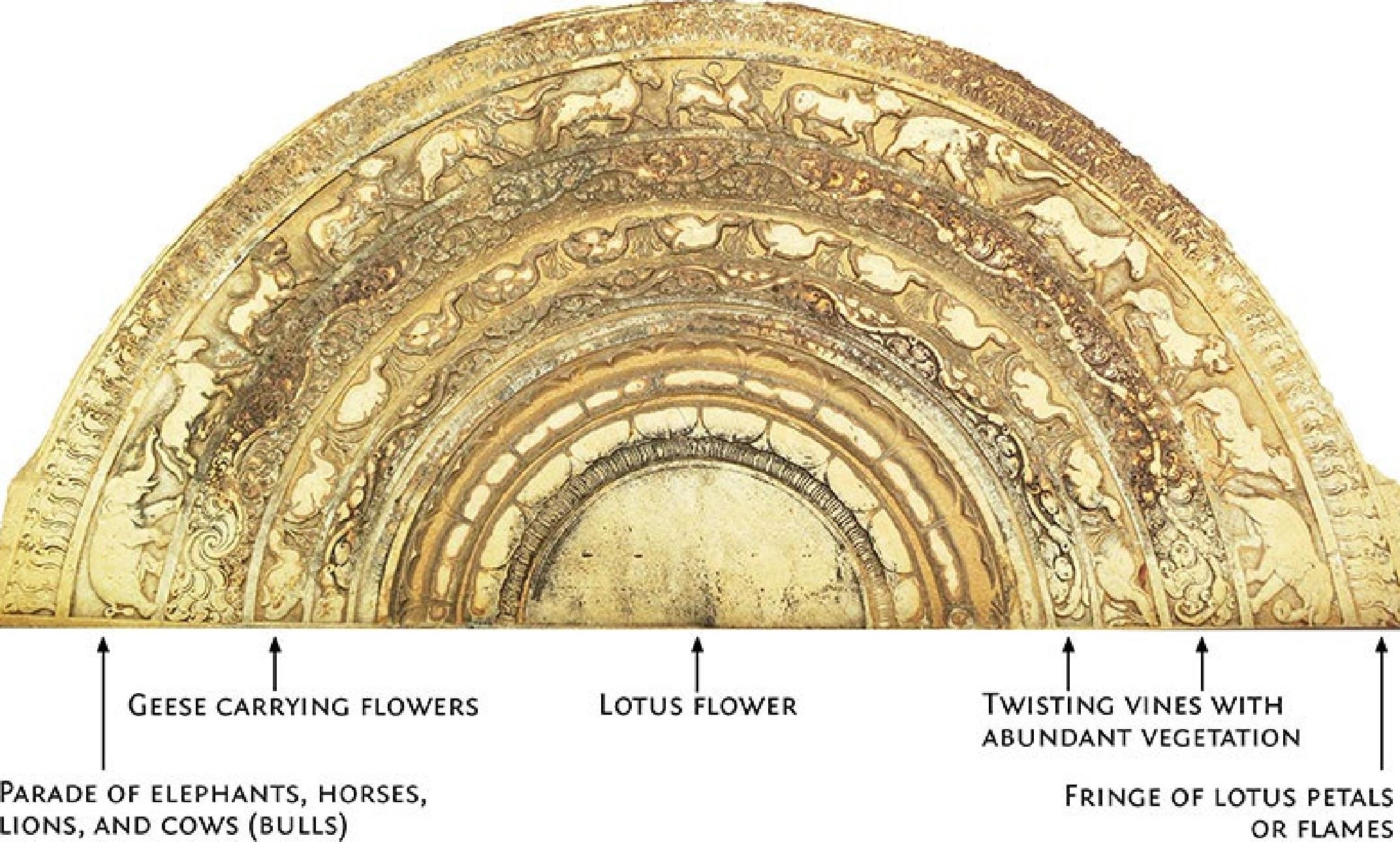
The Moonstone at the entrance of the palace is an iconic feature of Sri Lankan architecture. It is a sculpted stone that represents the cycle of life, death, and rebirth in Buddhism. The carved motifs on the Moonstone represent various stages of life and serve as a reminder of the Buddhist teachings on impermanence.

Samadhi Buddha Statue

  • Year of Erection: The Samadhi Buddha Statue was created in the 4th century CE, during the reign of King Mahasena, who was known for his patronage of Buddhist art and architecture.
  • Historical Background: The Samadhi Buddha Statue is one of the most famous and revered sculptures of the Buddha in Sri Lanka. It is known for its graceful and serene portrayal of the Buddha in a state of deep meditation, as depicted in the Dhyana Mudra (gesture of meditation). This statue is carved out of stone and is considered one of the finest examples of ancient Sri Lankan sculpture.

The Samadhi Buddha Statue is significant not only for its artistic beauty but also for its spiritual symbolism. The posture of the Buddha, with his eyes half-closed in meditation and his hands resting gently in his lap, reflects the state of tranquility and inner peace that the Buddha attained during his enlightenment.

This statue has been a focal point of devotion for centuries, and its subtle beauty continues to inspire those who visit the site.

Elephant Pond and Twin Ponds

  • Year of Erection: The Elephant Pond and Twin Ponds were constructed during the early period of the Abhayagiri Monastery, likely around the 1st century BCE to the 4th century CE.
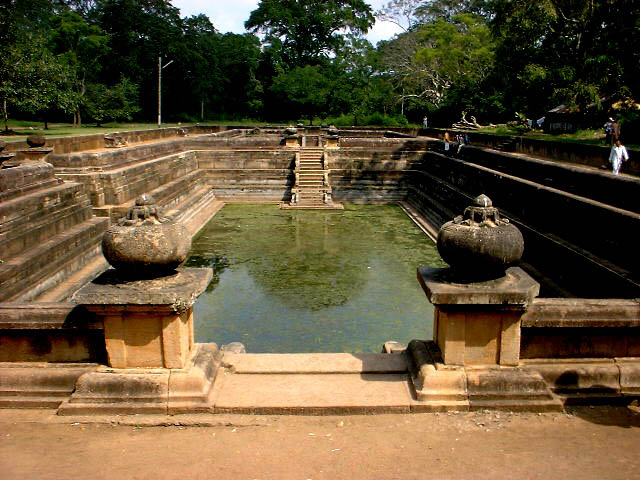
  • Historical Background: The Elephant Pond is a large water feature located near the Abhayagiri Monastery. It is believed to have been used for ritualistic purposes and ceremonial bathing. The pond’s elegant stone walls and the elaborate steps leading to the water suggest that it was a sacred site for pilgrims and monks to cleanse themselves before entering the monastery.

The Twin Ponds, which are located nearby, are two symmetrical ponds that reflect the sophisticated water management systems developed by the ancient Sinhalese. These ponds are thought to have served as water reservoirs for the monastic community and may have also been used for ceremonial bathing and ritual purification.

Conclusion: The Abhayagiri Monastery Complex

The Abhayagiri Monastery Complex is a testament to the grandeur and spiritual significance of ancient Sri Lankan Buddhist culture. From the Abhayagiri Stupa and Samadhi Buddha Statue to the Ratna Prasada, Mahasena’s Palace, and the Elephant Pond, each structure plays an integral role in the religious and cultural history of Anuradhapura. The advanced architectural designs, artistic sculptures, and spiritual relics within the complex continue to inspire both pilgrims and tourists who visit this sacred site.

The Abhayagiri Monastery remains one of the most important historical and religious sites in Sri Lanka, offering invaluable insights into the Buddhist monastic life and the lasting legacy of King Mahasena and King Vattagamani Abhaya‘s contributions to the spread of Buddhism across the island.

Similar Attractions

Related Destination

Anuradhapura