

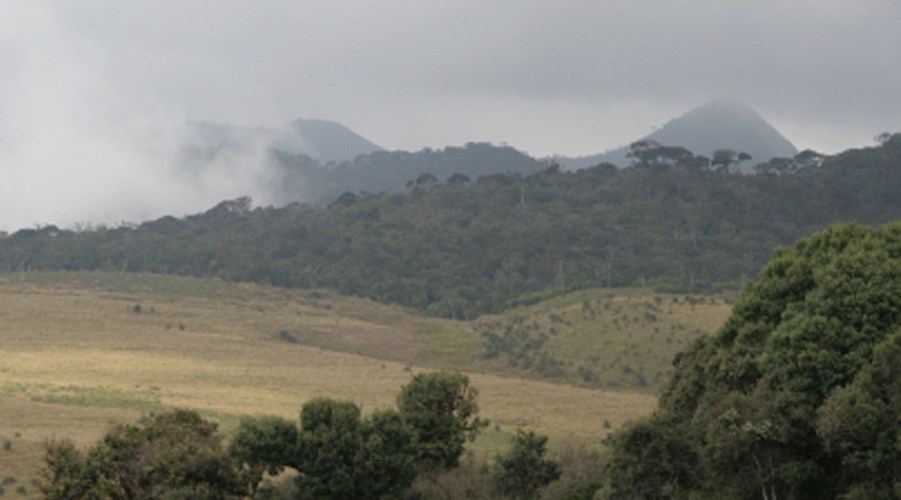
Horton Plains is a place of open grassland, mist-wrapped forest and sudden horizons. Walk a few minutes across its high plateau and the scenery shifts from tussock grass to mossy trees; pause at a lookout and the southern lowlands seem to stretch beneath your feet. This quiet landscape is also one of Sri Lanka’s most important natural sanctuaries.
Here is a simple guide to the landscape, wildlife and conservation challenges. You do not need to remember scientific names—just look closely, listen and leave this highland home undisturbed.
A high plateau that feeds the island
Set at about 2,100 metres, Horton Plains protects grassland, marshes and montane forest. Its streams feed the headwaters of the Mahaweli, Kelani and Walawe rivers, carrying water to communities far below. Horton Plains is part of the Central Highlands of Sri Lanka UNESCO World Heritage property.
From Maha Eliya Thenna to a protected park
Known locally as Maha Eliya Thenna (“Great Open Plain”), the area was renamed after Governor Sir Robert Wilmot-Horton in the nineteenth century. The plateau was once used for colonial-era hunting; today it is a protected home for wildlife. It became a national park in 1988 and joined the UNESCO World Heritage listing in 2010.
A cool, misty mountain climate
The plains are cool compared with Sri Lanka’s lowlands. Mist can sweep over the trail, while clear spells reveal wide views; rain, wind and occasional frost shape the vegetation. Mosses and lichens help the forest capture moisture from the damp air.
A forest under pressure
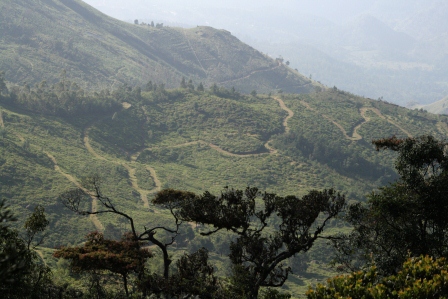
Forest dieback is visible in places as thinning crowns, bare branches and dead trees. Research has not found one cause for every affected area; climate, soil, wind, browsing and other pressures may combine. The forest’s health matters for wildlife and for water flowing from the plateau.
Visitors can help by keeping to marked paths, carrying rubbish out, and avoiding damage to plants or streams. These simple choices reduce pressure on a habitat that recovers slowly.
Invasive plants: the spread of gorse
European gorse, a thorny shrub with yellow flowers, has spread into some grasslands and competes with native plants. Carpet grass introduced during past farming has also changed parts of the landscape. Managing these invaders takes care so native vegetation is not damaged. The National Audit Office’s report on invasive plants describes the continuing challenge posed by gorse in Horton Plains.
Cloud forest, Nelu and Maha Rath Mal
Wind and cold keep the cloud-forest canopy low and twisted. Mosses, ferns and lichens cover branches, while dense shrubs fill the understory. Beyond the trees, native patana grassland holds tussock grasses, wildflowers and wet stream beginnings.
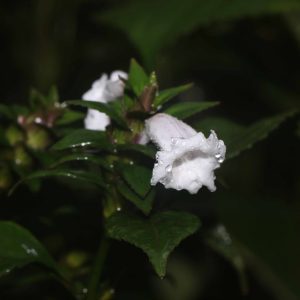
Nelu shrubs (Strobilanthes) sometimes flower in great numbers after years of growth. Different species follow different cycles. Their violet, pink or white blooms set seed before the parent shrubs die, opening space for new growth. The display is rare, not an annual event. A University of Peradeniya research article describes the Nelu masting observed at Horton Plains.
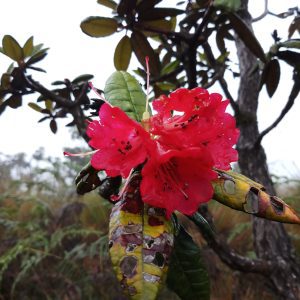
Maha Rath Mal, the Sri Lankan rhododendron (Rhododendron arboreum subsp. zeylanicum), is another highland emblem. Its crimson flowers stand out against the grassland. Endemic to Sri Lanka, it is listed as vulnerable and protected in the Flora of Sri Lanka.
Sambar, leopards and a careful wildlife encounter
Sambar deer are often seen grazing near the forest edge. Smaller and more secretive wildlife shares the park, including the elusive Sri Lankan leopard, the highland food chain’s top predator. A sighting is never guaranteed; its presence reminds us Horton Plains is a living ecosystem.

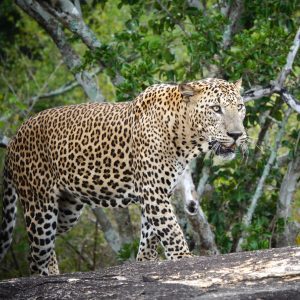
If you encounter a leopard, do not approach, crowd or block its escape route. Keep your group together, calmly move away toward a safe place, and follow park staff instructions. Do not try to get closer for a photograph. Give the animal room to leave undisturbed.
An important area for birds
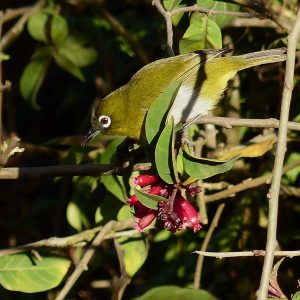
Horton Plains and the nearby highland sites of Ohiya, Pattipola and Ambewela form an Important Bird Area. Listen for highland birds such as the Sri Lanka whistling thrush near streams, the shy Sri Lanka bush warbler in thick shrubs, and the yellow-eared bulbul. The Sri Lanka bush warbler is among the highland birds found in the wider Horton Plains–Ohiya–Pattipola–Ambewela area.
Small reptiles and frogs with remarkable adaptations
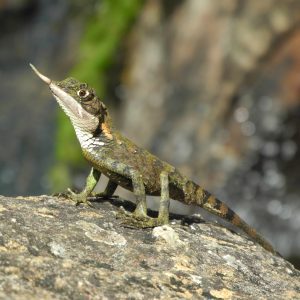
At damp forest edges, look for the rhino-horned lizard, a highland species with a small projection on its snout. Other lizards blend into mossy branches. Some tiny shrub frogs hatch as froglets instead of passing through a tadpole stage—an adaptation to life in this isolated, cool habitat.
Conclusion: The Future of a Highland Sanctuary
Horton Plains is a remnant of ancient highland nature and a water source for Sri Lanka. Its endemic species, cloud forest and grasslands face pressure from invasive plants, climate change and forest dieback. Research, restoration and thoughtful management can help protect it.
Visitors have a part to play too: stay on the trail, leave plants and wildlife undisturbed, and carry every piece of rubbish back out. The future of this highland sanctuary depends on many people making small, responsible choices. To plan a visit, explore our Horton Plains National Park Attraction guide and our Horton Plains hiking article.


Comment (1)