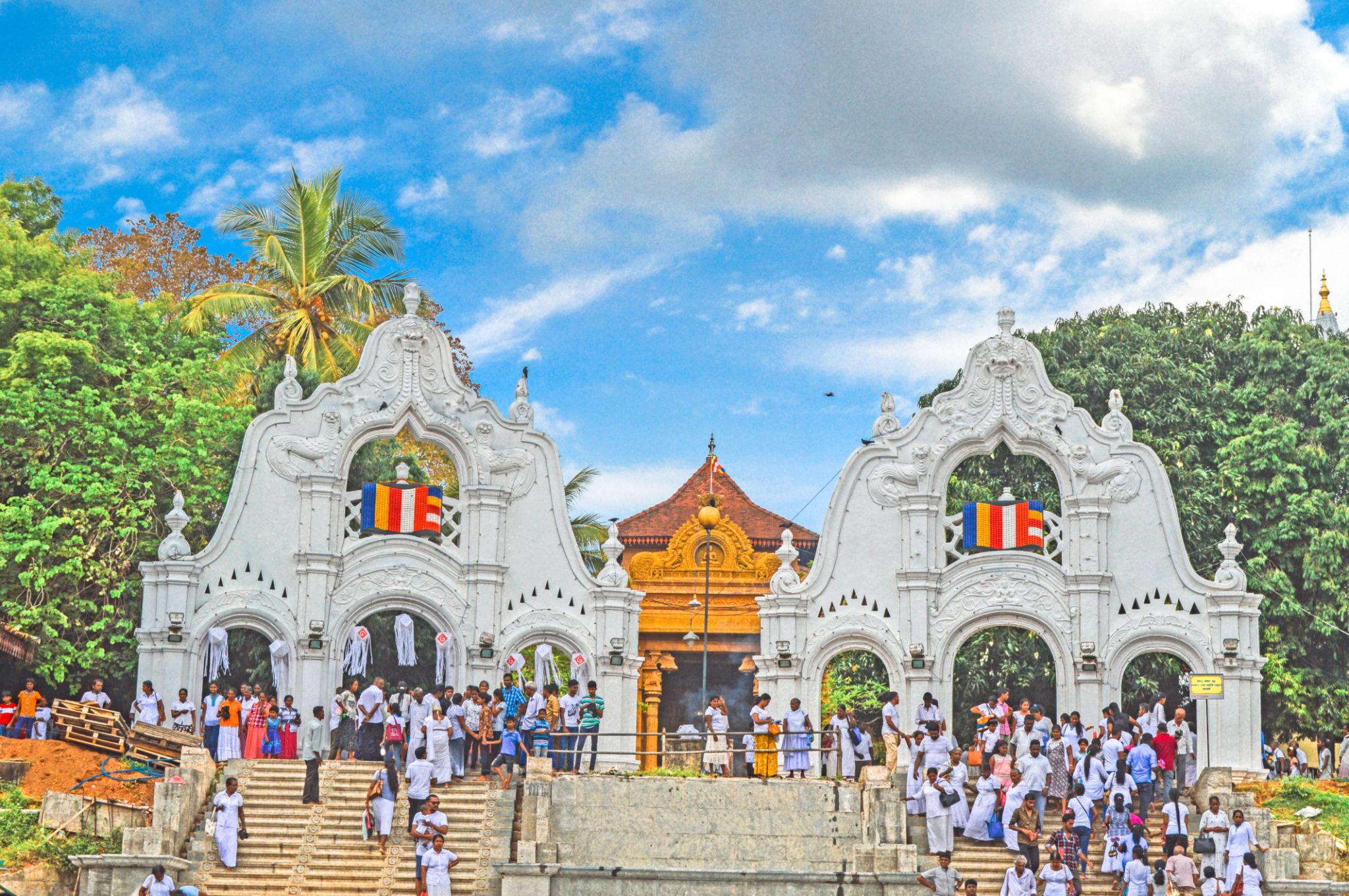

Nestled on the banks of the Kelani River in the historic town of Kelaniya, Kelaniya Raja Maha Vihara is one of the most important Buddhist pilgrimage sites in Sri Lanka. Revered by Buddhists around the world, the temple is believed to commemorate the location where Lord Buddha preached the Dhamma to the Naga King Maniakkhika during his legendary third visit to Sri Lanka.
The history of Kelaniya stretches back more than two millennia. Ancient chronicles such as the Mahavamsa describe the temple as an important religious centre long before the arrival of Buddhism, later becoming one of the island’s most significant places of worship. Throughout its history, the temple has been patronised by kings, rebuilt after foreign invasions, and restored by generations of devoted Buddhists.
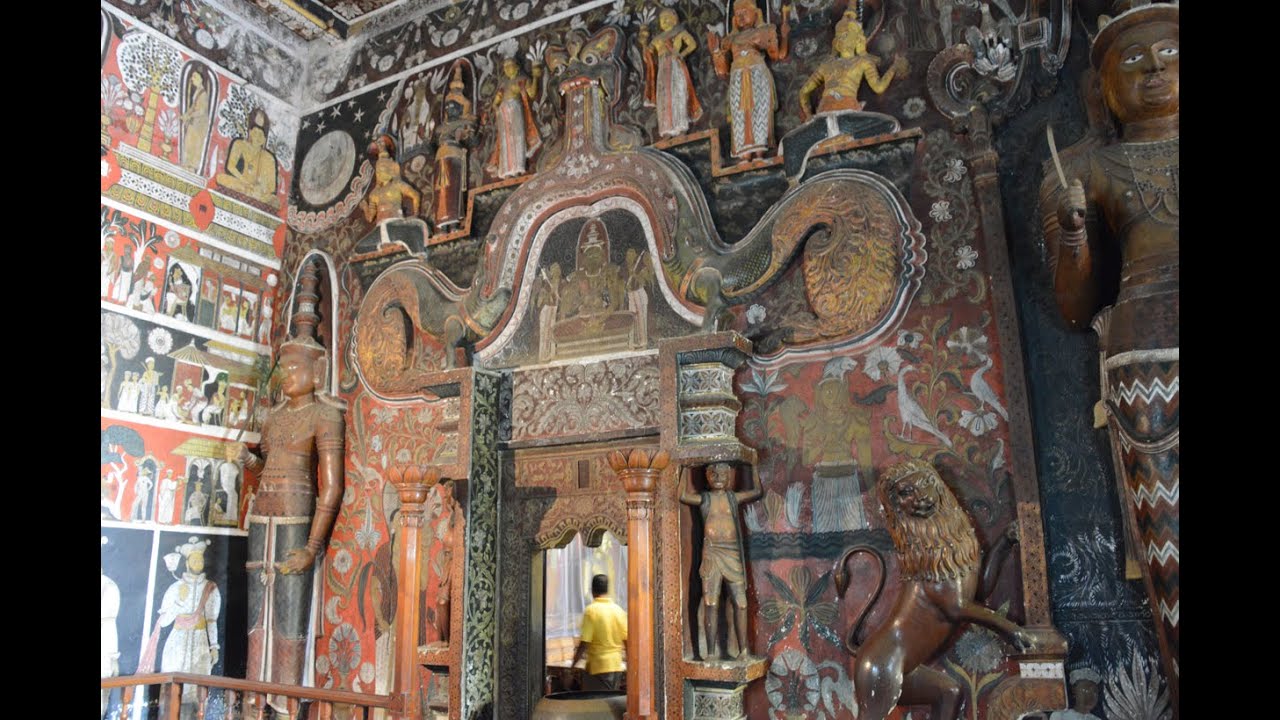
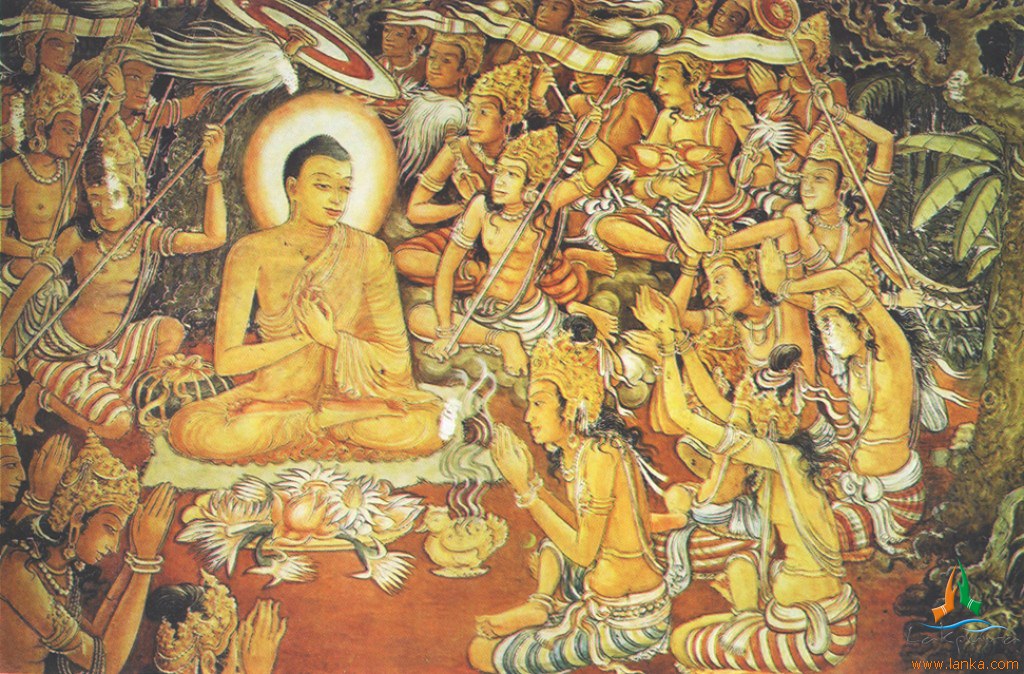
One of the temple’s most remarkable features is its stunning collection of murals painted by renowned Sri Lankan artist Solias Mendis. Covering the walls and ceilings of the image house, these colourful paintings depict scenes from the life of Buddha, Sri Lankan history, and Buddhist legends. The artwork is widely regarded as one of the finest examples of modern Buddhist temple painting in Sri Lanka.
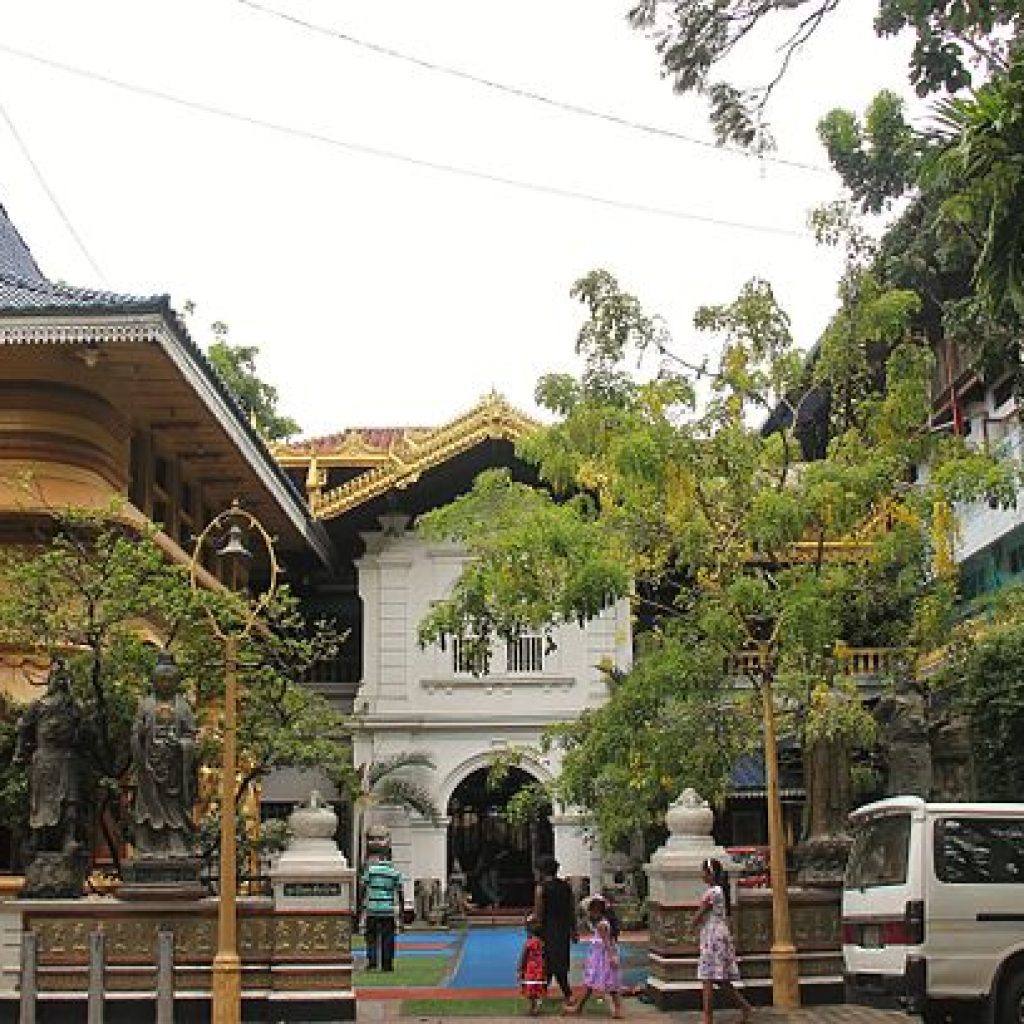
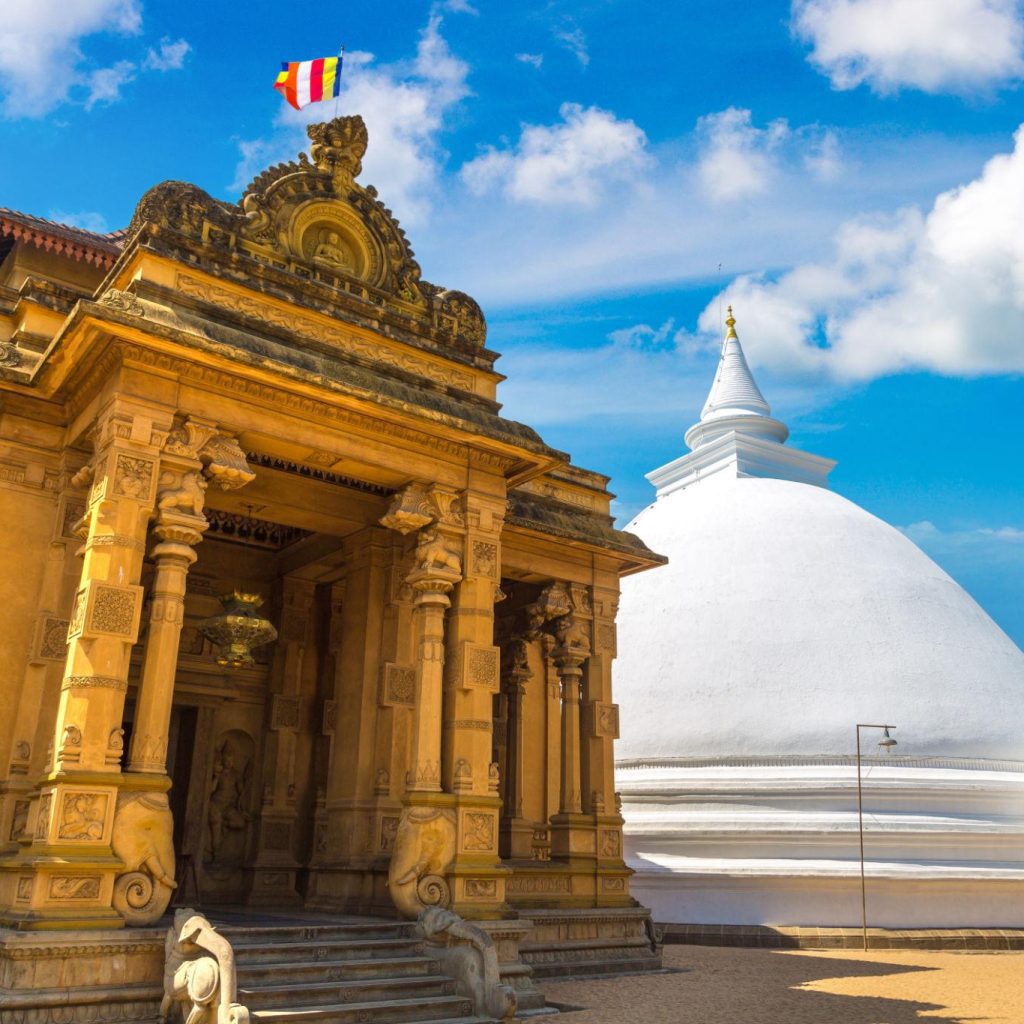
The temple complex includes a magnificent white stupa, elaborately decorated shrine rooms, ancient stone carvings, Bodhi trees, and numerous statues of Buddha. Visitors can observe daily religious rituals, offer flowers and incense, and experience the peaceful atmosphere that has made Kelaniya a centre of Buddhist devotion for centuries.
Every January, Kelaniya hosts the famous Duruthu Perahera, one of Sri Lanka’s most spectacular religious festivals. The grand procession features beautifully adorned elephants, traditional dancers, drummers, torch bearers, and cultural performers, attracting thousands of spectators from across the country and abroad.
Located only about 10 kilometres from central Colombo, Kelaniya Raja Maha Vihara offers visitors an excellent opportunity to explore Sri Lanka’s rich Buddhist heritage while remaining within easy reach of the capital city. Whether visiting for religious worship, cultural exploration, photography, or historical interest, the temple provides a fascinating insight into the island’s spiritual traditions and artistic achievements.